

Older homes hold a unique charm, often featuring vintage designs, quality craftsmanship, and a sense of history. However, they can also present unique challenges when it comes to pest control. Due to their age, materials, and structural vulnerabilities, these homes are more susceptible to infestations. It is essential to understand the specific needs of aging homes and adopt strategies tailored to their preservation and protection.
How a Deltona FL Pest Control Company Can Help Protect Aging Homes from Infestations
- Structural Gaps
Over time, natural wear and tear lead to cracks in the foundation, gaps around door frames or windows, and other entry points that allow pests easy access. - Aging Materials
Older homes often use materials like untreated wood that are more prone to decay, becoming magnets for termites and wood-boring beetles. - Outdated Construction Techniques
Some construction practices used in the past may not meet modern standards for sealing or insulation, increasing the likelihood of pest intrusion. - Moisture Accumulation
Poor ventilation or outdated plumbing systems can lead to moisture buildup in basements or crawl spaces—ideal conditions for cockroaches, rodents, and mold-related pests. - Cluttered Storage Areas
Many older properties come with spacious attics or basements where items accumulate over decades—perfect hiding spots for rodents and insects.
Important Factors for Pest Removal in Deltona, FL When Maintaining Older Properties
- Preservation of Historical Features: Care must be taken not to damage original structures like wood paneling or antique flooring during pest treatments.
- Customized Inspection Approach: Inspections should focus on hidden vulnerabilities such as hollow wooden beams or outdated electrical systems frequently chewed by rodents.
- Non-invasive Methods: Modern methods like heat treatments or ultrasonic devices can help preserve delicate structures while addressing infestations.
- Use of Eco-Friendly Products: To maintain air quality in closed spaces common in aging homes, use low-toxicity pesticides whenever possible.
Effective Strategies To Protect Older Homes from Pests
Routine Maintenance
- Seal all cracks and crevices using caulk or weatherstripping.
- Repair leaky pipes promptly to eliminate sources of moisture.
- Schedule regular inspections of roofing tiles and foundations.
Proactive Cleaning
- Clear out clutter from storage areas such as attics or basements.
- Store items in sealed plastic containers instead of cardboard boxes.
- Maintain cleanliness in kitchens by promptly cleaning spills and storing food securely.
Pest Barriers
Install protective barriers such as: | Barrier Type | Purpose | |——————-|———————————-| | Wire Mesh Screens | Seal gaps near vents | | Door Sweeps | Block entry under doors | | Chimney Caps | Keep out birds & small animals |
Regular Professional Inspections
Hiring a licensed pest control professional is critical for detecting early signs of infestation that might be overlooked during DIY inspections.
By addressing these special considerations with effective strategies tailored specifically for aging properties, homeowners can preserve the charm of their historic residences while ensuring they remain safe from pests year-round.
How Deltona Pest Control Can Help Protect Older Homes from Infestations
Older homes often face unique challenges when it comes to pest control. Their age, construction materials, and design features can make them particularly vulnerable to various types of infestations. Understanding why these homes are more susceptible is the first step toward implementing effective prevention and control measures.
Common Factors That Increase Vulnerability
- Aging Infrastructure
Over time, the structural integrity of homes begins to weaken. This can result in cracks in foundations, gaps around doors and windows, or deteriorating roofs—all of which create easy entry points for pests such as rodents, insects, and even birds. - Outdated Building Materials
Many older homes were constructed with materials that are now considered pest-prone, such as untreated wood or plaster. These materials may degrade over time, providing ideal nesting and feeding grounds for termites, ants, or carpenter bees. - Hidden Spaces
Older houses often have design elements like crawl spaces, attics with poor ventilation, or unused chimneys that serve as hidden havens for pests. These areas are rarely accessed by homeowners and provide a safe environment for pests to thrive undisturbed. - Moisture Issues
Poor insulation and aging plumbing systems in older properties can lead to persistent moisture problems. Damp environments attract pests like cockroaches, silverfish, and mold-loving insects. - Established Landscaping
Mature trees and shrubs surrounding older homes may offer easy access points for pests like squirrels or termites that use overhanging branches to gain entry into homes through roofs or windows.
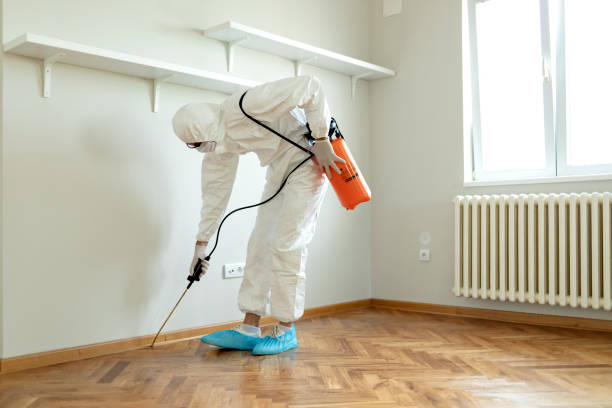
Environmental Considerations
Older neighborhoods tend to be surrounded by large trees and dense vegetation compared to newer developments where yards are typically more open. This lush environment can harbor a wide variety of pests that eventually migrate indoors when conditions become unfavorable outside (e.g., cold weather).
| Factors | Associated Pests | Solutions |
| Cracks in foundations | Ants, spiders, rodents | Seal all gaps with caulk or weatherstripping |
| Untreated wood | Termites, carpenter ants | Replace decayed wood; apply borate-based treatments |
| Poor ventilation | Mold-loving insects | Install proper ventilation systems |
| Overlapping tree branches | Squirrels, roof rats | Trim back trees at least 4-6 feet from the structure |
Challenges With Maintenance
Unlike newer constructions that prioritize energy-efficient designs and pest-resistant materials such as treated lumber or metal mesh barriers around vents, older properties often lack these modern upgrades. Homeowners may find it challenging to maintain both the aesthetics of their historic property while addressing its structural vulnerabilities against pests.
- Window frames made from original wood may look charming but could be warped over decades of exposure to weather—allowing insects like flies or mosquitoes easy entry.
- Basements in older homes often lack proper drainage systems leading to water pooling—an ideal environment for centipedes or fungus gnats.
Practical Steps To Reduce Risk
- Perform regular inspections of foundational areas and key access points such as windowsills.
- Install screens on vents and chimneys where possible.
- Keep gutters clean from debris that could encourage nesting activity.
- Monitor indoor humidity levels with dehumidifiers if necessary.
- Use natural repellents (e.g., diatomaceous earth) along baseboards without risking damage to historical finishes inside your home.
By addressing these vulnerabilities systematically while preserving the character of your home’s original design elements wherever feasible—you can create an inhospitable environment for pests while maintaining its timeless charm effectively into future years ahead
The Importance of Regular Pest Inspections for Preserving Older Homes
Older homes often carry unique charm and character, but they are also more vulnerable to pest infestations due to their age, construction materials, and natural wear and tear. Regular pest inspections are critical in maintaining these homes, protecting their structural integrity, and ensuring a safe living environment. This article explores why regular pest inspections matter for aging homes and how they can help in preventing costly damage.
Why Are Regular Inspections Essential?
- Aging homes often have cracks in the foundation, gaps around windows or doors, and aging roofing materials that create easy entry points for pests.
- Wood decay and weakened insulation provide ideal nesting areas for termites, rodents, and other pests.
- Pest damage can significantly decrease the market value of an older home.
- Proactive inspections ensure that potential issues are addressed before they escalate into major problems requiring expensive repairs.
- Many pests carry diseases or allergens that pose health risks to occupants.
- Rodents, cockroaches, and dust mites are common culprits that can trigger respiratory issues or spread contamination.
What Does a Thorough Pest Inspection Include?
| Inspection Area | Potential Issues Identified |
| Foundation & Crawl Spaces | Cracks or gaps allowing pests entry; signs of termite mud tubes |
| Roof & Attic | Evidence of rodents like droppings or nests; damaged shingles |
| Basement | Moisture buildup leading to mold growth; insect activity |
| Walls & Ceilings | Signs of wood-boring insects; small holes indicating rodent activity |
| Kitchen & Bathrooms | Leaky pipes attracting ants or cockroaches; food sources left exposed |
Benefits of Scheduling Inspections Regularly
- Early Problem Detection: Routine checks make it possible to catch infestations at the earliest stages when treatment is less invasive and costly.
- Customized Solutions for Aging Homes: Professionals trained in working with older properties can provide tailored strategies suited to specific vulnerabilities like aged wood framing or historical features.
- Prevention Over Cure: Preventive maintenance reduces the likelihood of recurring infestations by addressing root causes such as sealing entry points or reducing moisture levels.
Tips for Homeowners Between Inspections
- Seal gaps around doors, windows, vents, and chimneys using caulking or steel mesh.
- Address plumbing leaks immediately as stagnant water attracts pests like mosquitoes and cockroaches.
- Remove clutter from basements and attics where rodents may nest undetected.
- Store firewood at least 20 feet away from the house to prevent termite activity near the structure.
Regular pest inspections are not just about identifying current issues but also about creating a strategy for long-term preservation. By investing in routine maintenance with qualified professionals and taking preventive actions as outlined above, homeowners can protect their cherished older properties from avoidable damage caused by pests.
The Importance of Regular Pest Inspections for Preserving Older Homes
Older homes, while often charming and full of character, are particularly vulnerable to pest infestations. Their age, construction materials, and maintenance challenges create an environment where pests can thrive. Regular pest inspections play a critical role in preserving the structural integrity, safety, and livability of these properties.
Why Older Homes Are More Vulnerable
- Aging Infrastructure: Over time, wear and tear can create small gaps, cracks, or holes in foundations, walls, and roofs that become easy entry points for pests.
- Outdated Building Materials: Many older homes were constructed with materials such as untreated wood or clay bricks that degrade over time and provide food or nesting spaces for termites, carpenter ants, or rodents.
- Ineffective Sealing Techniques: Modern construction techniques often include better sealing around doors and windows. In older houses, degraded seals or warped fixtures allow pests to enter.
- Environmental Factors: Many aging properties are surrounded by mature trees and vegetation closer to the home’s foundation — a perfect habitat for pests like squirrels, raccoons, or insects.
Benefits of Regular Pest Inspections
- Early Detection: Identifying problems early reduces the severity of infestations and prevents damage from escalating. For instance:
- Detecting termite colonies before extensive wood damage occurs.
- Spotting rodent droppings before wiring insulation is chewed through.
- Cost Savings: Proactive inspections help homeowners avoid costly repairs resulting from untreated infestations.
- Health Protection: Pests such as cockroaches or rodents carry diseases that can affect residents’ well-being. Frequent inspections minimize these health risks.
- Preservation of Property Value: Persistent pest issues can lower property value when selling a home; routine checks ensure any problems are resolved promptly.
What Does a Professional Inspection Involve?
Hiring a licensed pest control expert ensures thorough evaluation using specialized knowledge and tools.
| Inspection Component | Purpose |
| Exterior Assessment | Identifies entry points like cracks in walls or worn window frames |
| Interior Check | Locates signs of infestation (droppings, nests) across floors, attics, basements |
| Moisture Mapping | Finds areas with dampness — a key attractant for many pests (e.g., termites) |
| Structural Integrity Review | Evaluates damage caused by wood-boring insects like beetles |
DIY Maintenance Between Inspections
- Seal all visible cracks around doors/windows with weatherproof caulking.
- Store firewood at least 20 feet away from the home’s perimeter to reduce access points for termites.
- Clear debris from gutters regularly to prevent standing water that attracts mosquitoes.
- Trim vegetation near walls; maintain at least 2 feet between shrubs/trees and your home.
How Often Should You Schedule Inspections?
- Homes located in high-risk areas (e.g., humid climates prone to termites) may benefit from quarterly inspections.
- Annual checks suffice in temperate zones with fewer pest pressures but should be increased if signs of infestation arise.
By prioritizing routine pest inspections alongside preventive measures at home, owners of aging properties can safeguard their investment while ensuring long-term comfort and functionality.
Effective Treatment Solutions Tailored Specifically for Aging Homes
Treating pest issues in older homes requires a nuanced approach due to their unique vulnerabilities. Aging properties often have structural wear, outdated materials, and hidden voids that create ideal conditions for pests. Successfully managing these infestations involves tailored solutions that focus on the specific needs of older homes.
Steps for Effective Pest Treatment
- Identify entry points such as cracks in the foundation, gaps around windows, or damaged roofing.
- Look for signs of infestation such as droppings, gnaw marks, or unusual odors.
- Examine vulnerable areas like basements, attics, and crawl spaces where pests often hide.
- Use weather-resistant sealants to close small cracks and crevices.
- Install door sweeps and repair damaged window screens.
- Replace old insulation that may be serving as nesting material.
- Implement Environmentally Friendly Practices
Many older homes may have residents concerned about chemical treatments due to health risks or historical preservation concerns: - Use natural deterrents like diatomaceous earth or essential oils (peppermint oil for rodents or citronella for mosquitoes).
- Set up bait traps instead of widespread pesticide spraying to target specific pests effectively.
Targeted Treatment Strategies
| Pest | Common Problem Areas | Effective Treatment Strategy |
| Termites | Wooden beams, floor joists | Apply liquid termiticides; install baiting systems |
| Rodents | Ductwork, attic insulation | Seal gaps; use snap traps or rodent-proof materials |
| Cockroaches | Kitchens, bathrooms | Apply gel baits; ensure regular cleaning practices |
| Ants | Foundation cracks | Use ant baits near entry points; seal structural gaps |
| Silverfish | Dark damp areas (e.g., basements) | Dehumidify spaces; apply boric acid treatments |
Regular Maintenance Tips
- Moisture Control: Repair leaky pipes and unclog gutters to eliminate excess moisture that attracts pests like termites and silverfish.
- Regular Cleaning: Keep food storage areas clean and secure garbage bins tightly to avoid attracting cockroaches and rodents.
- Proper Ventilation: Ensure adequate airflow in attics, basements, and crawl spaces by installing or maintaining vents.
Professional Assistance for Comprehensive Solutions
Older homes often benefit greatly from professional pest control services. Experts can offer advanced solutions such as fumigation techniques or thermal treatments that are safe yet impactful for delicate home structures. Seeking professional advice is particularly important when dealing with persistent infestations or structural damage caused by pests.
By adopting these tailored strategies and preventive measures, homeowners can protect aging properties effectively while preserving their charm and character.
- The Importance of Hiring an Exterminator Deltona FL for a Clean and Pest-Free Home
- Top Reasons to Hire a Deltona FL Pest Control Company for Your Home and Health
- Effective Deltona Pest Control to Prevent Structural Problems in Homes and Businesses
- How to Spot and Identify the Most Common Pests with a Deltona FL Pest Control Company
- Effective Pest Control Strategies for Aging Homes with an Exterminator Deltona FL
- How Deltona Pest Control Can Protect Your Home and Family
- Effective Deltona Pest Control Techniques to Prevent Rodent Infestations
- How an Exterminator Deltona FL Can Help Protect Your Health and Home