pest removal deltona fl

Top Reasons to Hire a Deltona FL Pest Control Company for Your Home and Health

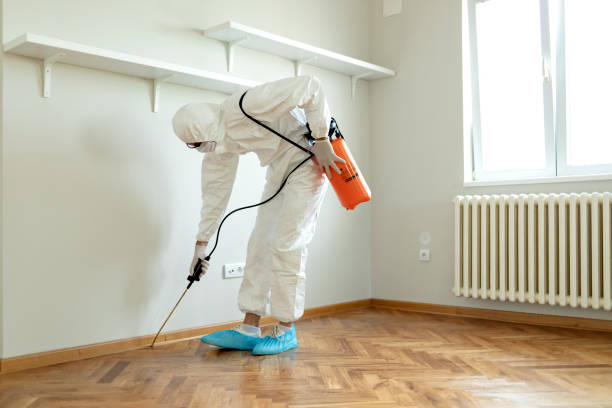
A disinfector in a protective suit and mask sprays disinfectants in house. stock photo

Pests not only pose a nuisance but can also lead to severe health risks and property damage. Maintaining proper pest control is essential to ensure the safety and well-being of your household or business. Below, we outline the many reasons why pest control is vital for your health and home.

Protecting Your Health

  • Rodents: Mice and rats spread diseases, including hantavirus, leptospirosis, and salmonella through their droppings, urine, or direct contact with food.
  • Cockroaches: These pests contribute to respiratory issues like asthma and allergies due to their shed skin, droppings, and saliva.
  • Mosquitoes: Known for carrying malaria, Zika virus, dengue fever, and West Nile virus.
  • Ticks: These parasites can transmit Lyme disease and other tick-borne illnesses.

Controlling pests helps minimize these health risks for everyone in the environment.

Preventing Structural Damage

Pest Common Damage Caused
Termites Weakening wooden structures by feeding on cellulose
Carpenter Ants Hollowing out wood during nesting
Rodents Chewing wires, which increases fire hazards
Powderpost Beetles Infestation of hardwood furniture or fixtures

By addressing infestations early on through professional pest control methods or preventive measures, you protect your home from costly repairs.

Preserving Food Safety

Pests often contaminate food supplies by invading kitchens or storage areas in search of sustenance. Rodents may chew through food packaging while insects like ants or flies can carry bacteria into exposed foods. Adopting effective pest control practices ensures that food remains safe for consumption.

Enhancing Comfort at Home

Living in a space infested with pests is uncomfortable as they disrupt peace of mind. Constantly dealing with noises made by rodents in walls or spotting cockroaches in kitchens leads to stress and frustration over time. Proper pest management restores comfort within your living space by creating an environment free from unwanted intruders.

Effective Pest Removal Deltona, FL: Benefits of Proactive Management

To maintain good health and protect your home against infestations:
– Regularly inspect vulnerable areas such as basements, attics, or crawlspaces. – Seal gaps around windowsills, doors, pipes entering walls. – Store food properly in airtight containers. – Remove standing water to deter mosquitoes. – Clean up crumbs promptly after meals.

Adopting preventive habits alongside partnering with professional pest control experts ensures long-term results while keeping both health threats at bay & homes structurally sound over time—making it an investment worth prioritizing year-round rather than waiting till issues arise visibly later down road

Effective Deltona Pest Control Tips to Protect Your Space

Pest control is an essential aspect of maintaining a healthy and safe living or working environment. Effectively managing pests involves a combination of preventive measures, regular maintenance, and appropriate intervention techniques. Below are several strategies to help you control pests while protecting your space from infestations.

Identify the Common Pests in Your Area

Before implementing any pest control measures, it is important to understand which pests are common in your locality. Different regions may face specific pest issues, such as termites, rodents, cockroaches, ants, or bed bugs. Knowing the type of pest will help you choose the most effective treatment strategy.

Consider the following steps for identification:
– Inspect areas with visible signs of damage (e.g., gnawed wood, holes in walls).
– Look for droppings or nests that indicate rodent activity.
– Identify damaged plants or accumulated dirt trails left by insects like ants or termites.
– Use monitoring traps to confirm the presence of hidden pests.

Preventive Measures for Pest Control

  1. Repair cracks and gaps in walls, doors, windows, and foundations to prevent pests from entering your space.
  2. Install door sweeps and use caulking materials where necessary.
  3. Regularly clean surfaces such as countertops and floors to remove food crumbs or spills that attract insects.
  4. Store food in tightly sealed containers to prevent access by rodents and other pests.
  5. Fix leaking faucets or pipes that could provide breeding grounds for mosquitoes.
  6. Ensure proper drainage around your property to avoid water accumulation.
  7. Remove unnecessary clutter where pests may hide or nest (e.g., cardboard boxes).
  8. Properly dispose of old newspapers or unused fabrics that can harbor insects.
Preventive Action Target Pest Effectiveness
Sealing entry points Rodents/Insects High
Eliminating standing water Mosquitoes Very High
Maintaining cleanliness Multiple High

Choose Appropriate Pest Control Methods

  • Natural Remedies: Use essential oils like peppermint for ants or diatomaceous earth for crawling insects.
  • Mechanical Methods: Deploy traps such as glue boards for mice or UV light traps for flying insects.
  • Chemical Treatments: Consider insecticides as a last resort but ensure they are appropriate for household use and follow safety precautions (e.g., wearing gloves).

Regular Maintenance Practices

  • Schedule bi-monthly checks for signs of new pest activity.
  • Inspect basements, attics, crawl spaces, and other seldom-used areas frequently.
  • Work with professionals periodically if persistent problems arise despite preventive steps.

By taking these steps consistently over time—identifying risks early on while employing tailored solutions—you will create a robust defense system against unwanted invaders within your living space or workplace.

Precautions to Take When Using Chemicals for Safe Pest Control

Using chemicals for pest control can be highly effective, but it’s essential to prioritize safety to protect yourself, your family, and the environment. Adopting proper precautions ensures that pest control efforts are both successful and risk-free. Below are key safety measures to consider when using chemical-based pest control products.

Understand the Chemical You Are Using

  • Active ingredients: Learn about the primary components of the product and their toxicity levels.
  • Intended pests: Ensure the chemical targets the specific pests you wish to eliminate.
  • Application guidelines: Follow recommended amounts and methods for safe usage.

Wear Proper Personal Protective Equipment (PPE)

  • Gloves (preferably chemical-resistant)
  • Goggles or safety glasses
  • Long-sleeved shirts and pants
  • Respirators or masks when working with strong fumes

Store Chemicals Safely

  1. Keep chemicals in their original containers with labels intact for easy identification.
  2. Store them in a cool, dry place away from food items or drinking water sources.
  3. Lock them in a cabinet or high shelf out of reach of children and animals.
Storage Tip Description
Original Containers Prevents misidentification of products
Dry Environment Avoids chemical degradation
Locked Storage Minimizes access by children or pets

Ventilate Treated Areas Well

After applying pesticides indoors, ensure proper ventilation by opening windows and doors or using fans to circulate fresh air. This reduces lingering fumes that could harm respiratory health.

Avoid Overapplication

Applying excessive amounts of chemicals does not increase effectiveness; rather, it raises exposure risks for humans, pets, and beneficial organisms like pollinators. Use only what is necessary based on label directions.

Dispose of Chemicals Responsibly

  • Follow local disposal regulations for hazardous waste.
  • Use designated drop-off locations for unused products.
  • Rinse empty containers thoroughly before discarding them according to guidelines.

Seek Professional Guidance if Unsure

If you are uncertain about how to use a particular chemical safely, consider consulting with professionals or hiring a licensed pest control company trained in safe application practices.

By following these precautions diligently, you can effectively manage pests while safeguarding your health and preserving environmental well-being.

A medical staff in PPE suit is using disinfectant spray in living room, Covid-19 protection , disinfection concept . stock photo

Understanding Pest Control Methods with an Exterminator in Deltona FL

Pest control is an essential practice for maintaining a healthy and safe environment, whether at home or in commercial spaces. Understanding the various methods available can help you choose the most effective approach for your specific pest problem. Below are key pest control methods explained in detail.

1. Biological Pest Control

Biological pest control involves using natural predators, parasites, or pathogens to manage pest populations. This eco-friendly approach minimizes the need for chemical solutions and helps maintain ecological balance.

Examples include: – Introducing ladybugs to control aphids. – Using nematodes to target soil-dwelling pests. – Releasing parasitoid wasps to eliminate caterpillars.

This method is especially effective in agricultural settings and home gardens where natural ecosystems can support these beneficial organisms.

2. Chemical Pest Control

Chemical pest control relies on pesticides and insecticides to eliminate pests quickly and effectively. These substances can be applied in various forms, including sprays, powders, and baits.

Advantages: – Rapid action against large infestations. – Availability of targeted formulations for specific pests.

Precautions: – Always follow the manufacturer’s instructions when applying chemicals. – Wear protective gear, such as gloves and masks. – Keep children and pets away from treated areas until it is safe.

Common Chemicals Used Target Pests Application Method
Pyrethroids Mosquitoes, flies Sprays
Boric Acid Cockroaches Bait Stations
Diatomaceous Earth Ants, bed bugs Powdered Application

While effective, chemical methods should be used responsibly due to potential health risks and environmental impact.

3. Mechanical Pest Control

Mechanical methods involve physical barriers or manual removal techniques to prevent or reduce pests.

Examples include: – Using traps for rodents. – Installing screens on windows and doors to keep insects out. – Sealing cracks and crevices to block entry points for pests like ants or cockroaches.

This method is particularly useful for small infestations or as a preventive measure alongside other approaches.

4. Cultural Pest Control

Cultural controls focus on altering environmental conditions to make them less hospitable for pests. These practices are typically preventative in nature.

Practical steps include: – Maintaining proper sanitation by removing food debris. – Storing food in airtight containers to deter pantry pests. – Eliminating standing water where mosquitoes breed.

In agricultural contexts, crop rotation is an example of cultural pest control that reduces the likelihood of pest buildup over time.

5. Integrated Pest Management (IPM)

Integrated Pest Management combines multiple strategies — biological, chemical, mechanical, and cultural — into a comprehensive program tailored to specific situations. IPM aims at long-term prevention through careful monitoring and targeted interventions rather than relying solely on one method.

Key benefits include: – Reduced reliance on chemical pesticides. – Sustainable solutions that align with environmental goals.

For example: 1. Monitor for signs of infestation—droppings, nests, or damage. 2. Use traps or barriers as an immediate solution (mechanical). 3. Apply eco-friendly chemicals only when necessary (chemical). 4. Introduce beneficial insects if applicable (biological). 5. Address sanitation issues or structural repairs (cultural).

Adopting this multi-layered approach ensures greater pest management success while minimizing risks to human health and the environment.

Understanding these different types of pest control methods allows you to make informed decisions based on the severity of your infestation, budget constraints, or personal preferences regarding environmental impact.

Hire Professional Pest Control Services to Eliminate Infestations

When dealing with a pest infestation, hiring professional pest control services is often the safest and most effective solution. While DIY methods may seem cost-effective, they are often insufficient in addressing the root cause of the problem or providing long-term results. Professional pest control companies offer expertise, advanced tools, and customized solutions that can help you regain control of your space.

Benefits of Hiring Professional Pest Control Services

  1. Professionals conduct detailed inspections to identify the type of pest causing the infestation.
  2. They assess the severity of the outbreak and pinpoint entry points or breeding grounds.
  3. Proper identification ensures that treatments are targeted and effective for specific pests like termites, rodents, or cockroaches.
  4. Pest control experts design tailored solutions based on your home’s layout, level of infestation, and type of pests present.
  5. Whether chemical treatments, traps, or integrated pest management techniques are needed, professionals ensure a comprehensive approach.
  6. Licensed pest control providers use state-of-the-art equipment not available to homeowners.
  7. Their access to specialized products ensures more efficient extermination without compromising safety.
  8. Professionals are trained in handling chemicals safely to minimize risks to humans and pets during applications.
  9. Using eco-friendly alternatives when appropriate helps reduce environmental impact while maintaining effectiveness.
  10. Expert services often include advice on preventing future infestations with proper maintenance practices and monitoring systems.
  11. Many companies offer follow-up visits or warranties that ensure pests don’t return after treatment.

Key Considerations Before Hiring a Pest Control Service

Factor What to Look For
Licensing & Certification Verify that the company is licensed and certified by appropriate authorities in your area.
Experience Choose providers with extensive experience dealing with your specific pest issue.
Reviews & References Check online reviews or ask for references from past clients for credibility.
Safety Practices Ensure they follow safe handling procedures for chemicals or traps used indoors or outdoors.
Pricing Obtain quotes from multiple companies but be cautious of unusually low prices that may compromise quality.

When Should You Call a Professional?

  • When an infestation becomes severe or unmanageable (e.g., termite damage compromising structural integrity).
  • If repeated attempts at home remedies have failed to eliminate pests like bed bugs or rodents effectively.
  • When health risks arise due to pests such as wasps, which can trigger allergic reactions in some individuals.
  • In cases where household members—including children or pets—are at risk due to hazardous chemicals being improperly applied during DIY treatments.

Conclusion: A Smart Choice for Your Home

Hiring professional pest control services is an investment in both your property’s integrity and your family’s well-being. By relying on experts who bring knowledge, tools, and proven methods into play, you can address infestations efficiently while mitigating risks associated with improper handling techniques common in DIY approaches. Always do thorough research before selecting a service provider—ensuring they meet necessary standards—and look forward to reclaiming a safe living environment free from unwelcome pests.

Effective Deltona Pest Control to Prevent Structural Problems in Homes and Businesses

Shot of a man in a hazmat suit using a chemical sprayer to sanitise a house stock photo

Regular pest monitoring plays a critical role in maintaining the structural integrity of homes and businesses. Pests such as termites, rodents, carpenter ants, and wood-boring beetles can silently cause extensive damage to structures over time. By implementing consistent monitoring practices, property owners can prevent these problems before they escalate into costly repairs.

The Importance of Regular Pest Monitoring

  • Early Detection: Detect pests before they cause significant structural damage.
  • Cost Savings: Prevent expensive repairs by addressing infestations promptly.
  • Improved Safety: Avoid safety hazards such as weakened foundations or collapsing structures.
  • Property Value Protection: Preserve the value of your home or business by maintaining its integrity.

Common Structural Issues Caused by Pests

Pest Type Common Damage Caused
Termites Weakened wooden beams, walls, and floors
Rodents Chewed wires (fire hazard), damaged insulation
Carpenter Ants Hollowed-out wooden structures
Wood-Boring Beetles Tunnels inside wooden components

Each pest species requires specific detection methods during routine inspections.

Key Components of a Monitoring Program

  1. Schedule inspections at least once every quarter or seasonally.
  2. Focus on common entry points like basements, attics, crawl spaces, and foundation cracks.
  3. Identify conditions that attract pests (e.g., moisture buildup or food sources).
  4. Address these conditions proactively to reduce infestation risks.
  5. Employ bait stations for termites.
  6. Install traps or cameras to track rodent activity.
  7. Use moisture meters to detect areas prone to termite presence.
  8. Maintain detailed records of inspection findings.
  9. Track any patterns in pest activity over time to adjust control strategies accordingly.

Benefits for Homes and Businesses

  • Protect family safety from health risks associated with pests (e.g., allergens from cockroaches or diseases from rodents).
  • Maintain the curb appeal and resale value of your home.
  • Comply with health regulations in food-related industries.
  • Avoid downtime caused by extensive structural repairs or infestations.

By prioritizing consistent pest monitoring efforts, you can safeguard your property against structural threats while creating a healthier overall environment for occupants.

Expert Exterminator Deltona FL: Early Detection of Pest Infestations to Protect Your Property

Pest infestations can cause significant damage to homes and businesses if not addressed promptly. Early detection plays a vital role in preventing minor pest issues from escalating into costly structural problems. This proactive approach not only saves money but also helps protect the integrity of your property.

The Importance of Choosing a Reliable Deltona FL Pest Control Company

  • Minimized Structural Damage: Pests such as termites, carpenter ants, and rodents can compromise wood, insulation, and wiring over time. Early action prevents extensive damage.
  • Lower Repair Costs: Detecting pests before they cause significant harm avoids expensive repairs to walls, roofs, and foundations.
  • Health Protection: Many pests carry bacteria or spread diseases (e.g., cockroaches and rodents) that can affect occupants’ health if left untreated.

Early Warning Signs That You Need Pest Removal Deltona, FL

  1. Chewed wires or furniture
  2. Damaged wood (hollow sounds indicate termite activity)
  3. Gnaw marks on baseboards
  4. Droppings or Urine Stains: Rodents and insects often leave fecal matter behind in visible places like cabinets or corners.
  5. Scratching or rustling sounds in walls or ceilings (indicative of rodents).
  6. Shredded paper, insulation, or leaves collected in unusual areas signal nesting activity by pests like mice and rats.
  7. Seeing ants trailing along walls or floors may indicate a hidden colony nearby.
  8. Winged termites swarming indoors might point to an active infestation.

Benefits of Detecting Infestations Early

Benefit Description
Preserved Property Value Prevents costly damages that could lower appraisal values upon inspection.
Enhanced Health & Safety Reduces exposure to allergens, bacteria, and other harmful contaminants
Long-Term Prevention Allows for swift treatment and future-proof solutions tailored to vulnerabilities.

Steps for Proactive Pest Monitoring

  • Conduct monthly inspections around your property for visible signs of pests (droppings, nests).
  • Seal cracks or crevices where insects may enter using caulk or foam sealant.
  • Store food securely in airtight containers to deter rodents and insects.
  • Schedule periodic professional pest control services to identify hidden infestations before they grow.

By maintaining vigilance through regular monitoring practices paired with professional insight when required, you safeguard both the structure and value of your property over time while avoiding unnecessary financial strain caused by unchecked infestations.

Chemical Protection stock photo

Protecting Your Property Value by Preventing Hidden Damage from Rodents and Insects

Protecting the value of your property requires proactive measures, particularly when it comes to pests that can cause hidden and costly damage. Rodents, insects, and other pests often target structural elements like wood, insulation, wiring, and more. Identifying and addressing pest problems early helps prevent costly repairs while safeguarding your property’s value.

Common Pests That Threaten Property Value

  1. Feed on wood, weakening walls, beams, floors, and foundations.
  2. Often remain hidden until significant damage has occurred.
  3. Bore through wood to create nests.
  4. Can compromise wooden structures over time.
  5. Chew through wiring (increasing fire risks), insulation, drywall, and furniture.
  6. Contaminate food supplies with droppings.
  7. Infest hardwoods such as flooring or furniture.
  8. Leave behind holes that weaken wooden structures.
  9. Spread bacteria across surfaces they contact.
  10. May trigger allergies or worsen respiratory conditions.

How Hidden Damage from Pests Impacts Property Value

  • Structural Weakness: Termite-induced damage to wooden supports may require expensive repairs to restore safety.
  • Reduced Energy Efficiency: Damage to insulation caused by rodents increases heating/cooling costs.
  • Devalued Aesthetics: Visible pest damage—such as holes in walls or wood—can deter buyers or renters.
  • Health & Safety Concerns: Pest droppings and contamination can create health hazards that impact the livability of a property.

Preventative Steps to Protect Your Property

  • Regular Inspections: Schedule routine inspections by professionals who can detect early signs of infestations.
  • Seal Entry Points: Fill cracks in walls, gaps around windows/doors, or spaces where pipes enter buildings to block pest access.
  • Maintain Landscaping: Trim overhanging tree branches or bushes near structures; pests often use these as bridges into homes or businesses.
  • Proper Food Storage: Use airtight containers for food items both in homes and commercial properties like restaurants.
  • Monitor Moisture Levels: Ensure adequate drainage around foundations; excess humidity attracts certain pests like termites.

Professional Solutions for Pest Prevention

Service Type Benefits
Regular Monitoring Early detection minimizes repair costs associated with advanced infestations.
Customized Treatment Plans Target specific pests without harming beneficial insects or pets on the property.
Structural Repairs Some companies provide repairs for damage caused by termites or other invasive species.

Investing in professional services not only ensures thorough protection but also provides peace of mind knowing your property is safeguarded against hidden threats.

Preventing hidden damage caused by rodents and insects is critical for preserving both the functionality and financial value of residential or commercial properties over time. Proactive measures combined with expert solutions allow owners to avoid costly surprises while maintaining a secure environment free from destructive pests.

Reducing the Likelihood of Long-Term Pest Infestations with Proactive Solutions

Pests can cause extensive damage to homes and businesses, especially when infestations persist for long periods. Adopting proactive pest control strategies is essential to minimize the risk of long-term infestations. By taking preventative measures, property owners can safeguard their spaces and maintain a healthy living or working environment. Below are some key points on how proactive solutions can reduce pest-related risks effectively.

The Importance of Proactive Pest Control

  • Cost Savings: Preventative measures are often less expensive than repairing extensive structural or material damage caused by pests.
  • Health Protection: Many pests carry bacteria, allergens, or diseases. Proactively managing these threats reduces health risks.
  • Property Preservation: Whether it’s termites damaging wood structures or rodents chewing through electrical wiring, early action preserves the integrity of your property.

Key Components of Proactive Pest Management

  1. Conduct regular inspections in vulnerable areas such as basements, attics, kitchens, and storage spaces.
  2. Look for signs like droppings, chewed materials, nests, or entry points that pests might exploit.
  3. Remove sources of food and water that attract pests (e.g., leaky pipes or exposed garbage).
  4. Seal cracks in walls and floors as well as around windows and doors to prevent access points.
  5. Engage licensed pest control professionals for comprehensive evaluations at least annually. Experts can spot early warning signs that may go unnoticed by untrained eyes.
  6. Use deterrents such as caulking gaps or installing mesh screens over vents.
  7. Implement consistent sanitation practices like proper waste disposal and decluttering.

Common Pests Addressed by Proactive Solutions

Pest Type Potential Damage/Affect Prevention Tip
Termites Structural damage by eating wood Schedule routine inspections; fix moisture issues
Rodents Electrical wiring damage; spread of disease Use sealed containers for food storage; block access gaps
Cockroaches Contamination of surfaces; trigger allergic reactions Maintain a clean kitchen; eliminate standing water
Ants Food contamination; nesting in walls Address entry points; store food securely

Benefits for Homes and Businesses

  • Residential Properties: Homeowners maintain peace of mind knowing their families are safe from health hazards associated with pests such as rodents or cockroaches.
  • Commercial Properties: Businesses protect their reputation by avoiding disruptions caused by infestations while ensuring compliance with health regulations.

By implementing these measures consistently, property owners stand a better chance at reducing the likelihood of long-term infestations while safeguarding both their investment and health outcomes over time.

Tracking Pest Patterns and Vulnerabilities to Safeguard Your Property Effectively

Effective pest control is about more than just eliminating pests—it involves understanding their behavior, identifying vulnerabilities in your property, and implementing strategies to prevent future infestations. Monitoring pest patterns and recognizing areas of weakness within your property can play a crucial role in safeguarding both homes and businesses.

The Importance of Identifying Pest Patterns

  • Proactive Intervention: Early identification of recurring pest activity allows for timely action to prevent infestations.
  • Cost Savings: Addressing potential problems early reduces the need for extensive treatments later.
  • Customized Solutions: Tailored pest management strategies are more effective when based on observed behavioral trends.
Common Patterns to Monitor:
Pest Type Common Behavior High-Risk Seasons
Rodents Seeking shelter indoors during colder months Fall/Winter
Termites Swarming near wood structures or damp areas Spring/Summer
Cockroaches Activity increases in warm, humid environments Year-round (varies by climate)
Ants Foraging in kitchens or outdoor spaces in search of food Spring/Summer

Identifying Property Vulnerabilities

In addition to tracking pests’ movements, identifying weak points in your property’s structure is essential. These vulnerabilities create entry points or favorable conditions for pests to thrive.

Key Areas to Inspect:
  1. Doors and Windows: Check for gaps, broken seals, or damaged screens that may allow pests inside.
  2. Foundation Cracks: Inspect your foundation regularly for cracks where insects like ants or termites can enter.
  3. Rooflines and Gutters: Look for holes around vents, chimneys, or clogged gutters that could attract rodents or birds.
  4. Moisture Problems: Damp basements, leaking pipes, or faulty drainage systems provide ideal environments for pests.

Strategies to Safeguard Your Property

  • Seal all entry points: Use caulk, weather stripping, or mesh screens on doors, windows, vents, and other access areas.
  • Maintain cleanliness: Regularly clean kitchens and storage areas to eliminate food sources.
  • Eliminate standing water: Fix leaks promptly and ensure proper drainage near the building’s foundation.
  • Schedule regular inspections: Work with a professional pest control service that offers monitoring programs tailored to your needs.

How Professional Services Can Help

While DIY efforts can reduce some risks, professional pest control services provide an added layer of protection through advanced tools and expertise. Technicians use methods such as thermal imaging cameras to detect hidden nests or moisture meters that identify areas conducive to termite activity.

By combining regular monitoring with professional insights into pest behavior and structural weaknesses, you can create a comprehensive defense system that safeguards your investment while maintaining a healthy environment.

How Professional Pest Control Provides Peace of Mind for Homeowners and Businesses

Pests can cause significant distress to homeowners and businesses, ranging from physical damage to property to health risks for occupants. Professional pest control services offer tailored solutions that go beyond temporary fixes, providing reassurance that your space is safe and protected. Here’s an in-depth look at how professional pest control can bring peace of mind.

Expertise and Knowledge

Professional pest control specialists are trained to identify various types of infestations early, often before they become visible or cause significant damage. Their expertise includes:
– Recognizing early signs of infestation (e.g., droppings, nests, or structural damage).
– Identifying the specific species involved, which is critical for selecting the most effective treatment method.
– Understanding pest behavior and life cycles to implement long-term preventive measures.

By relying on their knowledge, you can avoid guesswork and reduce the chances of ineffective DIY solutions that could worsen the problem.

Customized Treatment Plans

Every property is unique, with different vulnerabilities depending on factors such as location, structure type, and environmental conditions. Professionals assess the specifics of your property to design a tailored treatment plan. This approach includes:
– Addressing current infestations with appropriate treatments (e.g., bait systems for rodents or chemical sprays for insects).
– Sealing entry points to prevent further invasion.
– Providing recommendations for maintenance practices to minimize future risks.

This thorough process ensures comprehensive protection tailored to your needs.

Long-Term Cost Savings

While professional pest control services may seem like an upfront investment, they save you from costly consequences down the line:
| Potential Costly Issues | Impact | |————————————-|—————————————————————————-| | Structural Damage | Termites and carpenter ants can weaken wood over time, leading to expensive repairs. | | Contamination | Rodents can spread harmful bacteria through droppings and food contamination. | | Reputation Damage (Businesses) | Visible pests in commercial spaces can harm brand reputation and customer trust. |

Regular inspections by professionals help mitigate these risks before they escalate into financial burdens.

Use of Safe Methods

Another benefit is the use of safe and environmentally friendly pest control methods whenever possible. Professionals are knowledgeable about regulatory guidelines regarding pesticide usage in residential or commercial spaces. They also ensure minimal disruption during treatments so you can continue daily activities without concern.

Ongoing Support & Monitoring Services

  • Monthly/Quarterly Visits: Helps identify any new infestations early.
  • Seasonal Adjustments: Adapts preventive measures based on seasonal changes.
  • Documentation: Maintains records of treatments applied for transparency and compliance purposes (particularly essential for businesses).

This proactive approach fosters an environment where pests are less likely to thrive long-term.

Creating a Safer Environment

Professional pest control ensures not only structural safety but also promotes better health by reducing exposure to allergens or diseases transmitted by pests such as cockroaches or mosquitoes.

Investing in expert services provides peace of mind knowing your home or business remains safeguarded against hidden threats that could compromise comfort, safety, or value over time.

Preventing Costly Structural Damage with Comprehensive Pest Control Strategies

Structural damage caused by pests can lead to significant financial burdens for both homeowners and business owners. Termites, rodents, carpenter ants, and other destructive pests often go unnoticed until the damage becomes severe. Implementing comprehensive pest control strategies is essential to safeguarding your property from costly repairs and maintaining its long-term integrity.

Common Pests That Cause Structural Damage

Pest Damage Caused Common Locations
Termites Weakening wood structures, including beams and flooring Crawl spaces, walls, wooden furniture
Carpenter Ants Excavating wood to create nests Foundations, window frames, roofing
Rodents Gnawing on wires, insulation, and wood Attics, basements, wall voids
Powderpost Beetles Boring holes into hardwood surfaces like floors or furniture Wooden walls or furnishings

By addressing these pests early on with targeted strategies, you can prevent irreversible damage to your property.

Key Elements of Comprehensive Pest Control Strategies

  1. Regularly inspect vulnerable areas such as attics, basements, crawl spaces, and foundations for signs of pest activity.
  2. Look for droppings, gnawed materials, discarded wings (in the case of termites), or sawdust-like residue.
  3. Close cracks in walls or foundations using silicone caulk or weather-resistant sealants.
  4. Install door sweeps and ensure window screens are intact to limit access points for rodents and insects.
  5. Store food in airtight containers to deter rodents.
  6. Fix leaky pipes that may provide moisture for termites or carpenter ants.
  7. Remove clutter where pests might nest or hide.
  8. Utilize bait systems for termites around the perimeter of your property.
  9. Apply insecticides or natural repellents in high-risk areas as recommended by a professional service provider.
  10. Schedule regular visits from licensed pest control experts who can identify early warning signs and implement advanced treatment methods.
  11. Specialists use tools like moisture meters and infrared imaging to detect hidden infestations before visible damage occurs.

Benefits of Comprehensive Pest Control

  • Cost Savings: Avoid expensive repairs resulting from undetected infestations.
  • Health Protection: Mitigate risks associated with diseases carried by certain pests (e.g., rodents).
  • Property Value Retention: Maintain the market value of your home or business by preventing deterioration caused by pests.
  • Peace of Mind: A well-maintained structure reduces stress about unexpected damages.

Ongoing Maintenance Tips

  • Keep vegetation trimmed back at least 12 inches from exterior walls.
  • Inspect wood-based outdoor structures (such as decks) annually for termite activity or water damage that could attract insects.
  • Monitor seasonal patterns—certain pests are more active during specific times of the year—and adjust preventative measures accordingly.

By employing these tactics alongside professional advice when needed, you can effectively protect your property’s structure while minimizing long-term costs tied to unaddressed infestations.

How to Spot and Identify the Most Common Pests with a Deltona FL Pest Control Company

Man spraying insecticide on grass in lawn. stock photo

Pests can cause significant disruptions in your household, from property damage to health risks. Identifying these unwelcome visitors is the first critical step toward managing and eliminating them effectively. Below, we explore how to recognize some of the most common pests found in homes and provide actionable tips on spotting early signs of their presence.

Common Household Pests and How to Identify Them

  1. Appearance: Ants are small insects ranging in color from black to brown or red, depending on the species.
  2. Signs of Presence:
    • Trails of ants leading to food sources.
    • Small soil mounds near walls or foundation cracks (indicating ant nests).
    • Kitchens, pantries, and areas with sugary or greasy food residues.
    • Around windows, doors, or gaps in walls.
  3. Appearance: Oval-shaped insects with flattened bodies that range from reddish-brown to dark brown.
  4. Signs of Presence:
    • Droppings resembling small coffee grounds or pepper flakes.
    • Musty odors where infestations are severe.
    • Shed skins or egg casings near warm areas like kitchens and bathrooms.
    • Under sinks, behind appliances, or inside cabinets.
  5. Appearance: Small insects resembling ants but with straight antennae and light-colored bodies; often mistaken for flying ants during swarming season.
  6. Signs of Presence:
    • Mud tubes along walls or foundations.
    • Hollow-sounding wood that crumbles when tapped.
    • Wooden structures such as flooring, beams, or furniture.
  7. Appearance: Thin-bodied flying insects with long legs; females are generally larger as they require blood meals for reproduction.
  8. Signs of Presence:
    • Persistent buzzing sounds near water sources like sinks or outdoor pools.
    • Itchy bite marks on exposed skin after dusk hours.
  9. Where They’re Found:
    • Standing water (ponds, clogged gutters) and damp areas inside/outside your home.

Quick Identification Tips

Pest Type Appearance Key Signs Common Locations
Ants Small; black/brown/red Trails leading to food; soil mounds Kitchens, pantries
Cockroaches Oval-shaped; reddish/dark brown Droppings; musty smell Under sinks/appliances
Termites Light-colored; straight antennae Mud tubes; hollow wood Wooden structures
Mosquitoes Thin-bodied flyers Buzzing sounds; bite marks Standing water

Why Early Identification Matters

Spotting pests early can prevent costly repairs and safeguard your health. Many pests reproduce quickly—what begins as a few sightings can escalate into full-blown infestations without intervention. Learning how to recognize these invaders will give you an advantage in containing the problem before it worsens.

By staying vigilant about changes in your home environment—new odors, droppings, damaged materials—you’ll be better prepared to take action swiftly against pest threats.

Effective Deltona Pest Control Solutions for Ant Infestations

Ant infestations are one of the most common pest problems homeowners face. While these tiny creatures may seem harmless at first, they can quickly become a significant nuisance and even pose health risks. Understanding how to spot, identify, and address ant infestations is crucial for maintaining a pest-free home.

Effective Pest Removal in Deltona, FL: Identifying Ant Infestations

Ants often enter homes in search of food, water, or shelter. Spotting them early can prevent a full-blown infestation.

  • Visible Trails:Ants typically travel in organized trails to and from their food source. Look for lines of ants along walls, baseboards, or countertops.
  • Mounds or Nests:Outside your home, ants build nests that look like small mounds of soil or sand near entry points like cracks in the foundation.
  • Stray Ants Indoors:Even spotting a few ants indoors can indicate a larger colony is nearby.
  • Food Damage:Check for signs of ants around open food containers or sugary spills in cupboards and kitchen areas.
Common Ant Species Characteristics Behavior Patterns
Odorous House Ant Small black or brown; emits a foul smell when crushed Attracted to sweets; often invade kitchens
Carpenter Ant Larger black or red ants Tunnel through wood; can damage structures
Pavement Ant Brown to black; often found near sidewalks Nest under pavement; invade homes for food

Why Are Ants a Problem?

While some ant species may seem harmless, they can lead to bigger issues:
1.Contamination: Since ants crawl across dirty surfaces before reaching your food, they can carry bacteria into your home. 2.Structural Damage: Carpenter ants burrow into wood structures, potentially compromising the integrity of your home. 3.Food Waste: Large colonies can contaminate food supplies by invading pantries and cupboards.

How to Address an Infestation

Once you’ve identified an ant problem in your home, swift action is essential.

  1. Follow the trail of ants back to their entry point and nest location.
  2. Seal gaps around windows and doors where ants are entering.
  3. Clean up spills immediately and store all food in sealed containers.
  4. Regularly clean kitchen surfaces with soapy water to erase scent trails.
  5. Apply bait traps near trails or nests for species like odorous house ants.
  6. For carpenter ant infestations, consider professional pest control services since they may require specialized treatments.
  7. Natural Remedies (if preferred):
  8. Use vinegar-water sprays along entry points as a deterrent.
  9. Sprinkle diatomaceous earth near cracks where ants are entering.

Preventing Future Infestations

  • Inspect your home’s exterior regularly for cracks and seal them with caulk.
  • Keep outdoor vegetation trimmed back from windows and walls.
  • Store firewood away from your house as it could harbor carpenter ant colonies.
  • Install weather stripping on doors/windows to block potential entry points.

Proper identification combined with proactive prevention tactics will help maintain an ant-free environment over time.

Employee in protective suit, mask and goggles disinfects premises closrup stock photo

Effective Solutions for Cockroach Concerns from a Trusted Exterminator in Deltona FL

Cockroaches are among the most common household pests, notorious for their ability to adapt and thrive in almost any environment. They are not only unpleasant but can also pose significant health risks by spreading diseases. Understanding how to identify, manage, and prevent cockroach infestations is essential for maintaining a clean and safe home.

How to Identify Cockroaches in Your Home

  1. Cockroaches are typically brown or black with flat bodies and long antennae.
  2. The most common species found in homes include the American cockroach, German cockroach, and Oriental cockroach.
  3. Small droppings resembling coffee grounds or black pepper may appear in corners, under appliances, or inside cabinets.
  4. Larger species may leave cylindrical feces with ridges.
  5. These are oval-shaped capsules often found near food sources or in dark crevices.
  6. Each egg case can contain dozens of baby cockroaches (nymphs).
  7. Cockroach infestations often produce a musty or oily smell caused by their pheromones or decomposing bodies.
  8. As they grow, nymphs shed their exoskeleton several times before becoming adults.

Why Cockroaches Are a Problem

  • Disease Transmission: Cockroaches can spread harmful bacteria like E. coli and Salmonella by contaminating food surfaces. They may also exacerbate asthma and allergies due to allergens present in their saliva and droppings.
  • Rapid Reproduction: A single female cockroach can produce hundreds of offspring within months.
  • Structural Damage: They chew through materials like paper, cardboard, leather, and even electrical wiring.

Strategies for Managing a Cockroach Infestation

  • Keep kitchen areas clean by wiping down counters and sweeping up crumbs daily.
  • Store food in sealed containers.
  • Empty trash bins regularly and use tightly fitted lids.
  • Eliminate standing water sources such as leaking pipes or dripping faucets.
  • Look for entry points such as cracks around doors/windows or gaps near plumbing fixtures.
  • Use a flashlight to check dark corners, behind appliances, and inside cabinets.
  • Gel baits containing insecticide attract roaches; place them near infestations for effective control.
  • Sticky traps help monitor pest activity levels over time.
Type of Control Advantages Disadvantages
Gel Baits Targets hidden roaches effectively Takes time for full effect
Sticky Traps Monitors infestation levels May not reduce population

When DIY methods fail to eliminate the infestation entirely or if the problem persists despite your efforts, consider hiring licensed pest control professionals who use advanced tools and techniques for eradication.

Preventing Future Infestations

To ensure long-term protection against cockroaches: 1. Seal cracks around windows/doors using caulk or weatherstripping material. 2. Regularly declutter storage areas like basements/garages where roaches might hide. 3. Install mesh screens over vents and drains to prevent entry points. 4. Conduct routine cleaning schedules focused on hard-to-reach areas often overlooked during regular housekeeping activities.

By addressing these pest concerns proactively through identification tactics coupled with preventive steps outlined above will significantly reduce risks associated with recurring infestations over time while safeguarding health/hygiene indoors effectively

Termites: Silent Destroyers That Can Damage Your Home from the Inside Out

Termites are one of the most destructive household pests, capable of causing severe structural damage over time. Often referred to as “silent destroyers,” these insects can compromise the integrity of your home without being detected for years. Understanding how to identify termites, signs of an infestation, and preventive measures is crucial for protecting your property.

Understanding Termites

Termites are small, soft-bodied insects that feed on cellulose found in wood and other plant materials. They live in colonies and operate in a caste system that includes workers, soldiers, and reproductive members (kings and queens).

  • Subterranean Termites: These termites build underground nests and create mud tubes to access above-ground food sources. They are typically more destructive than other species due to their large colony sizes.
  • Drywood Termites: Unlike subterranean termites, drywood termites do not require soil contact. They infest dry wood, such as furniture or wooden beams inside walls.

Identifying termite activity early can save homeowners from costly repairs.
Mud Tubes: Used by subterranean termites to travel between their nests and food sources, mud tubes are typically found near the foundation of your home or along walls.Hollow-Sounding Wood: If wood sounds hollow when tapped, it may have been eaten from within by termites.Discarded WingsFrass (Termite Droppings)Blistering Paint or Bubbling Surfaces: This may indicate termite damage beneath the surface.

Damage Caused by Termites

The destruction caused by termites is often gradual but extensive.
| Area Affected | Potential Damage |
|————————-|————————————————-|
| Wooden Structures | Compromised support beams, door frames, and flooring |
| Foundation | Weakened structural integrity due to tunneling |
| Insulation Materials | Damaged insulation as termites eat through cellulose |

Effective prevention strategies can help protect your home from termite damage.

  1. Use dehumidifiers in basements or crawl spaces if necessary.
  2. Inspect your home’s foundation for cracks or crevices and seal them with caulk.
  3. Keep firewood stacked at least 20 feet away from your home.
  4. Avoid burying wooden materials directly against your foundation.
  5. Monitor high-risk areas such as basements, attics, crawl spaces, and exterior wooden structures.
  6. When constructing decks or fences near your home, use pressure-treated wood resistant to termite infestations.

Professional Solutions for Termite Control

When dealing with an active infestation, professional pest control services may be necessary. Common treatment options include: – Chemical barriers applied around the home’s perimeter to repel or eliminate subterranean termites. – Baiting systems designed to attract worker termites carrying insecticides back to their colony. – Fumigation procedures targeting drywood termite infestations within enclosed spaces.

By staying vigilant about potential warning signs and implementing preventive actions proactively, you can safeguard your property against these silent destroyers before they cause significant harm.

Mosquito Problems: Protecting Yourself Against Buzzing Bloodsuckers

Mosquitoes are more than just a nuisance; they are vectors of diseases that can pose serious health risks. Understanding how to identify, prevent, and address mosquito problems is crucial for maintaining a safe and comfortable home environment.

How to Identify Mosquito Problems

Mosquito infestations are often easy to detect, but knowing the signs can help you take action sooner: – Bites: Red, itchy welts on exposed skin are one of the most obvious signs.Buzzing Sounds: The high-pitched buzzing near your ears is usually caused by female mosquitoes searching for a blood meal.Stagnant Water: Mosquitoes breed in standing water, so check for any areas of water accumulation around your home (e. g. , puddles, flowerpots, or gutters).Increased Activity at Dusk and Dawn: Mosquitoes are most active during these times.

Common Breeding Grounds for Mosquitoes

Eliminating breeding grounds is essential in reducing their population.

Preventive Measures

Taking proactive steps can significantly reduce mosquito activity around your home. Here’s what you can do: 

  1. Eliminate Standing Water: Regularly empty containers that collect water and ensure your yard has proper drainage.
    2. Use Window Screens: Install or repair screens on windows and doors to prevent mosquitoes from entering your home.
    3. Employ Natural Deterrents: – Plant mosquito-repelling plants like citronella, lavender, or marigolds around your property. – Use essential oils like eucalyptus or lemon oil in outdoor spaces.
    4. Maintain Your Yard: Keep grass trimmed and shrubs well-pruned to eliminate resting spots for mosquitoes.
    5. Apply Insect Repellents: Use EPA-approved repellents containing DEET or picaridin when spending time outdoors.

Addressing Mosquito Infestations

If preventive measures fail and mosquitoes become problematic: – Consider Professional Pest Control Services: Professionals can treat large infestations effectively using specialized equipment and sprays.Introduce Natural Predators: – Fish species like guppies or mosquito fish can be added to ponds. – Encourage birds such as swallows by installing birdhouses in your yard.

Protective Methods While Outdoors

When spending time outside in mosquito-prone areas: – Wear long-sleeved shirts and pants made from tightly woven fabrics. – Avoid wearing dark colors as they attract mosquitoes. – Use portable insect traps or citronella candles in outdoor gathering spaces.

By combining effective prevention strategies with targeted control measures, you can significantly mitigate the impact of mosquitoes on your health and comfort at home. Take steps early to protect yourself against these persistent pests year-round.

Top Pest Prevention Tips to Keep Your Home Pest-Free

Pest prevention is essential for maintaining a clean, healthy, and safe living environment. By taking proactive steps, you can significantly reduce the chances of infestations that may disrupt your home. Here are some practical and effective tips to keep your home pest-free.

Most pests are attracted to food sources, water, and clutter that provide hiding spaces.

  • Store food properly:Use airtight containers to store pantry items like rice, flour, and cereals.
  • Empty trash regularly:Avoid letting garbage accumulate inside your home.
  • Vacuum frequently:This helps eliminate pests like ants and carpet beetles.

Pests often enter homes through cracks, gaps, or holes in walls or foundations.

  • Inspect windows and doors:Ensure that weather stripping around windows and doors is intact.
  • Seal cracks:Use caulk or sealant to fill gaps in walls, baseboards, or the foundation.
  • Install door sweeps:Place sweeps under doors to block entry from pests like cockroaches and mice.
  • Repair damaged screens:Fix or replace torn window screens.

Standing water attracts pests such as mosquitoes and can create breeding grounds for other insects.

  • Fix leaks promptly:Repair leaking faucets, pipes, or any plumbing issues in your home.
  • Clean gutters regularly:Remove debris and ensure proper drainage from gutters.
  • Avoid overwatering plants:Excess water around plant pots can attract pests.
  • Empty outdoor containers:Dump out water collected in items like buckets or flowerpots.

Clutter provides hiding spots for pests such as rodents and spiders. Keeping your space organized reduces areas where pests can thrive.

  • Get rid of cardboard boxes as they attract insects like silverfish.
  • Store seasonal items in sealed plastic bins instead of open containers.
  • Reduce unnecessary piles of newspapers or magazines that can harbor cockroach infestations.

Outdoor maintenance is just as important as keeping the interior of your home pest-free since many infestations start outside before spreading indoors.

Outdoor Maintenance Tips Importance
Trim vegetation away from the house Prevents insects from using plants as a bridge into homes
Store firewood away from foundations Reduces the risk of termites moving indoors
Remove fallen leaves & debris Limits potential nesting sites for pests
Keep trash cans sealed tightly Deters scavengers like rats and raccoons

Incorporating natural pest control methods can be an environmentally friendly way to keep bugs at bay without resorting immediately to chemical solutions.

Some examples include: – Peppermint oil sprays for repelling spiders. – Diatomaceous earth for controlling ants or fleas naturally. – Citrus peels near windowsills to deter flies.

Being consistent with these preventive measures goes a long way toward ensuring a pest-free living environment throughout every season while minimizing reliance on reactive solutions such as pesticides.


Effective Pest Control Strategies for Aging Homes with an Exterminator Deltona FL

Man in protective suit disinfecting and spraying every room in the building

Older homes hold a unique charm, often featuring vintage designs, quality craftsmanship, and a sense of history. However, they can also present unique challenges when it comes to pest control. Due to their age, materials, and structural vulnerabilities, these homes are more susceptible to infestations. It is essential to understand the specific needs of aging homes and adopt strategies tailored to their preservation and protection.

How a Deltona FL Pest Control Company Can Help Protect Aging Homes from Infestations

  1. Structural Gaps
    Over time, natural wear and tear lead to cracks in the foundation, gaps around door frames or windows, and other entry points that allow pests easy access.
  2. Aging Materials
    Older homes often use materials like untreated wood that are more prone to decay, becoming magnets for termites and wood-boring beetles.
  3. Outdated Construction Techniques
    Some construction practices used in the past may not meet modern standards for sealing or insulation, increasing the likelihood of pest intrusion.
  4. Moisture Accumulation
    Poor ventilation or outdated plumbing systems can lead to moisture buildup in basements or crawl spaces—ideal conditions for cockroaches, rodents, and mold-related pests.
  5. Cluttered Storage Areas
    Many older properties come with spacious attics or basements where items accumulate over decades—perfect hiding spots for rodents and insects.

Important Factors for Pest Removal in Deltona, FL When Maintaining Older Properties

  • Preservation of Historical Features: Care must be taken not to damage original structures like wood paneling or antique flooring during pest treatments.
  • Customized Inspection Approach: Inspections should focus on hidden vulnerabilities such as hollow wooden beams or outdated electrical systems frequently chewed by rodents.
  • Non-invasive Methods: Modern methods like heat treatments or ultrasonic devices can help preserve delicate structures while addressing infestations.
  • Use of Eco-Friendly Products: To maintain air quality in closed spaces common in aging homes, use low-toxicity pesticides whenever possible.

Effective Strategies To Protect Older Homes from Pests

Routine Maintenance

  • Seal all cracks and crevices using caulk or weatherstripping.
  • Repair leaky pipes promptly to eliminate sources of moisture.
  • Schedule regular inspections of roofing tiles and foundations.

Proactive Cleaning

  • Clear out clutter from storage areas such as attics or basements.
  • Store items in sealed plastic containers instead of cardboard boxes.
  • Maintain cleanliness in kitchens by promptly cleaning spills and storing food securely.

Pest Barriers

Install protective barriers such as: | Barrier Type | Purpose | |——————-|———————————-| | Wire Mesh Screens | Seal gaps near vents | | Door Sweeps | Block entry under doors | | Chimney Caps | Keep out birds & small animals |

Regular Professional Inspections

Hiring a licensed pest control professional is critical for detecting early signs of infestation that might be overlooked during DIY inspections.

By addressing these special considerations with effective strategies tailored specifically for aging properties, homeowners can preserve the charm of their historic residences while ensuring they remain safe from pests year-round.

How Deltona Pest Control Can Help Protect Older Homes from Infestations

Older homes often face unique challenges when it comes to pest control. Their age, construction materials, and design features can make them particularly vulnerable to various types of infestations. Understanding why these homes are more susceptible is the first step toward implementing effective prevention and control measures.

Common Factors That Increase Vulnerability

  1. Aging Infrastructure
    Over time, the structural integrity of homes begins to weaken. This can result in cracks in foundations, gaps around doors and windows, or deteriorating roofs—all of which create easy entry points for pests such as rodents, insects, and even birds.
  2. Outdated Building Materials
    Many older homes were constructed with materials that are now considered pest-prone, such as untreated wood or plaster. These materials may degrade over time, providing ideal nesting and feeding grounds for termites, ants, or carpenter bees.
  3. Hidden Spaces
    Older houses often have design elements like crawl spaces, attics with poor ventilation, or unused chimneys that serve as hidden havens for pests. These areas are rarely accessed by homeowners and provide a safe environment for pests to thrive undisturbed.
  4. Moisture Issues
    Poor insulation and aging plumbing systems in older properties can lead to persistent moisture problems. Damp environments attract pests like cockroaches, silverfish, and mold-loving insects.
  5. Established Landscaping
    Mature trees and shrubs surrounding older homes may offer easy access points for pests like squirrels or termites that use overhanging branches to gain entry into homes through roofs or windows.

Chemical Protection
Environmental Considerations

Older neighborhoods tend to be surrounded by large trees and dense vegetation compared to newer developments where yards are typically more open. This lush environment can harbor a wide variety of pests that eventually migrate indoors when conditions become unfavorable outside (e.g., cold weather).

Factors Associated Pests Solutions
Cracks in foundations Ants, spiders, rodents Seal all gaps with caulk or weatherstripping
Untreated wood Termites, carpenter ants Replace decayed wood; apply borate-based treatments
Poor ventilation Mold-loving insects Install proper ventilation systems
Overlapping tree branches Squirrels, roof rats Trim back trees at least 4-6 feet from the structure

Challenges With Maintenance

Unlike newer constructions that prioritize energy-efficient designs and pest-resistant materials such as treated lumber or metal mesh barriers around vents, older properties often lack these modern upgrades. Homeowners may find it challenging to maintain both the aesthetics of their historic property while addressing its structural vulnerabilities against pests.

  • Window frames made from original wood may look charming but could be warped over decades of exposure to weather—allowing insects like flies or mosquitoes easy entry.
  • Basements in older homes often lack proper drainage systems leading to water pooling—an ideal environment for centipedes or fungus gnats.

Practical Steps To Reduce Risk

  1. Perform regular inspections of foundational areas and key access points such as windowsills.
  2. Install screens on vents and chimneys where possible.
  3. Keep gutters clean from debris that could encourage nesting activity.
  4. Monitor indoor humidity levels with dehumidifiers if necessary.
  5. Use natural repellents (e.g., diatomaceous earth) along baseboards without risking damage to historical finishes inside your home.

By addressing these vulnerabilities systematically while preserving the character of your home’s original design elements wherever feasible—you can create an inhospitable environment for pests while maintaining its timeless charm effectively into future years ahead

The Importance of Regular Pest Inspections for Preserving Older Homes

Older homes often carry unique charm and character, but they are also more vulnerable to pest infestations due to their age, construction materials, and natural wear and tear. Regular pest inspections are critical in maintaining these homes, protecting their structural integrity, and ensuring a safe living environment. This article explores why regular pest inspections matter for aging homes and how they can help in preventing costly damage.

Why Are Regular Inspections Essential?

  1. Aging homes often have cracks in the foundation, gaps around windows or doors, and aging roofing materials that create easy entry points for pests.
  2. Wood decay and weakened insulation provide ideal nesting areas for termites, rodents, and other pests.
  3. Pest damage can significantly decrease the market value of an older home.
  4. Proactive inspections ensure that potential issues are addressed before they escalate into major problems requiring expensive repairs.
  5. Many pests carry diseases or allergens that pose health risks to occupants.
  6. Rodents, cockroaches, and dust mites are common culprits that can trigger respiratory issues or spread contamination.

What Does a Thorough Pest Inspection Include?

Inspection Area Potential Issues Identified
Foundation & Crawl Spaces Cracks or gaps allowing pests entry; signs of termite mud tubes
Roof & Attic Evidence of rodents like droppings or nests; damaged shingles
Basement Moisture buildup leading to mold growth; insect activity
Walls & Ceilings Signs of wood-boring insects; small holes indicating rodent activity
Kitchen & Bathrooms Leaky pipes attracting ants or cockroaches; food sources left exposed

Benefits of Scheduling Inspections Regularly

  • Early Problem Detection: Routine checks make it possible to catch infestations at the earliest stages when treatment is less invasive and costly.
  • Customized Solutions for Aging Homes: Professionals trained in working with older properties can provide tailored strategies suited to specific vulnerabilities like aged wood framing or historical features.
  • Prevention Over Cure: Preventive maintenance reduces the likelihood of recurring infestations by addressing root causes such as sealing entry points or reducing moisture levels.

Tips for Homeowners Between Inspections

  • Seal gaps around doors, windows, vents, and chimneys using caulking or steel mesh.
  • Address plumbing leaks immediately as stagnant water attracts pests like mosquitoes and cockroaches.
  • Remove clutter from basements and attics where rodents may nest undetected.
  • Store firewood at least 20 feet away from the house to prevent termite activity near the structure.

Regular pest inspections are not just about identifying current issues but also about creating a strategy for long-term preservation. By investing in routine maintenance with qualified professionals and taking preventive actions as outlined above, homeowners can protect their cherished older properties from avoidable damage caused by pests.

The Importance of Regular Pest Inspections for Preserving Older Homes

Older homes, while often charming and full of character, are particularly vulnerable to pest infestations. Their age, construction materials, and maintenance challenges create an environment where pests can thrive. Regular pest inspections play a critical role in preserving the structural integrity, safety, and livability of these properties.

Why Older Homes Are More Vulnerable

  • Aging Infrastructure: Over time, wear and tear can create small gaps, cracks, or holes in foundations, walls, and roofs that become easy entry points for pests.
  • Outdated Building Materials: Many older homes were constructed with materials such as untreated wood or clay bricks that degrade over time and provide food or nesting spaces for termites, carpenter ants, or rodents.
  • Ineffective Sealing Techniques: Modern construction techniques often include better sealing around doors and windows. In older houses, degraded seals or warped fixtures allow pests to enter.
  • Environmental Factors: Many aging properties are surrounded by mature trees and vegetation closer to the home’s foundation — a perfect habitat for pests like squirrels, raccoons, or insects.

Benefits of Regular Pest Inspections

  1. Early Detection: Identifying problems early reduces the severity of infestations and prevents damage from escalating. For instance:
  2. Detecting termite colonies before extensive wood damage occurs.
  3. Spotting rodent droppings before wiring insulation is chewed through.
  4. Cost Savings: Proactive inspections help homeowners avoid costly repairs resulting from untreated infestations.
  5. Health Protection: Pests such as cockroaches or rodents carry diseases that can affect residents’ well-being. Frequent inspections minimize these health risks.
  6. Preservation of Property Value: Persistent pest issues can lower property value when selling a home; routine checks ensure any problems are resolved promptly.

What Does a Professional Inspection Involve?

Hiring a licensed pest control expert ensures thorough evaluation using specialized knowledge and tools.

Inspection Component Purpose
Exterior Assessment Identifies entry points like cracks in walls or worn window frames
Interior Check Locates signs of infestation (droppings, nests) across floors, attics, basements
Moisture Mapping Finds areas with dampness — a key attractant for many pests (e.g., termites)
Structural Integrity Review Evaluates damage caused by wood-boring insects like beetles

DIY Maintenance Between Inspections

  • Seal all visible cracks around doors/windows with weatherproof caulking.
  • Store firewood at least 20 feet away from the home’s perimeter to reduce access points for termites.
  • Clear debris from gutters regularly to prevent standing water that attracts mosquitoes.
  • Trim vegetation near walls; maintain at least 2 feet between shrubs/trees and your home.

How Often Should You Schedule Inspections?

  • Homes located in high-risk areas (e.g., humid climates prone to termites) may benefit from quarterly inspections.
  • Annual checks suffice in temperate zones with fewer pest pressures but should be increased if signs of infestation arise.

By prioritizing routine pest inspections alongside preventive measures at home, owners of aging properties can safeguard their investment while ensuring long-term comfort and functionality.

Effective Treatment Solutions Tailored Specifically for Aging Homes

Treating pest issues in older homes requires a nuanced approach due to their unique vulnerabilities. Aging properties often have structural wear, outdated materials, and hidden voids that create ideal conditions for pests. Successfully managing these infestations involves tailored solutions that focus on the specific needs of older homes.

Steps for Effective Pest Treatment

  1. Identify entry points such as cracks in the foundation, gaps around windows, or damaged roofing.
  2. Look for signs of infestation such as droppings, gnaw marks, or unusual odors.
  3. Examine vulnerable areas like basements, attics, and crawl spaces where pests often hide.
  4. Use weather-resistant sealants to close small cracks and crevices.
  5. Install door sweeps and repair damaged window screens.
  6. Replace old insulation that may be serving as nesting material.
  7. Implement Environmentally Friendly Practices
    Many older homes may have residents concerned about chemical treatments due to health risks or historical preservation concerns:
  8. Use natural deterrents like diatomaceous earth or essential oils (peppermint oil for rodents or citronella for mosquitoes).
  9. Set up bait traps instead of widespread pesticide spraying to target specific pests effectively.

Targeted Treatment Strategies

Pest Common Problem Areas Effective Treatment Strategy
Termites Wooden beams, floor joists Apply liquid termiticides; install baiting systems
Rodents Ductwork, attic insulation Seal gaps; use snap traps or rodent-proof materials
Cockroaches Kitchens, bathrooms Apply gel baits; ensure regular cleaning practices
Ants Foundation cracks Use ant baits near entry points; seal structural gaps
Silverfish Dark damp areas (e.g., basements) Dehumidify spaces; apply boric acid treatments

Regular Maintenance Tips

  • Moisture Control: Repair leaky pipes and unclog gutters to eliminate excess moisture that attracts pests like termites and silverfish.
  • Regular Cleaning: Keep food storage areas clean and secure garbage bins tightly to avoid attracting cockroaches and rodents.
  • Proper Ventilation: Ensure adequate airflow in attics, basements, and crawl spaces by installing or maintaining vents.

Professional Assistance for Comprehensive Solutions

Older homes often benefit greatly from professional pest control services. Experts can offer advanced solutions such as fumigation techniques or thermal treatments that are safe yet impactful for delicate home structures. Seeking professional advice is particularly important when dealing with persistent infestations or structural damage caused by pests.

By adopting these tailored strategies and preventive measures, homeowners can protect aging properties effectively while preserving their charm and character.

How Deltona Pest Control Can Protect Your Home and Family

A medical staff in PPE suit is using disinfectant spray in living room, Covid-19 protection , disinfection concept .

Pest control plays a vital role in ensuring the safety, health, and well-being of your home and loved ones. Whether it’s rodents, insects, or other pests, an untreated infestation can lead to significant problems ranging from property damage to health risks. Below is a closer look at why professional pest control is an absolute necessity for every household.

Deltona FL Pest Control Company Protecting Your Property from Damage

Pests such as termites, carpenter ants, and rodents can cause severe structural damage to your property. Termites alone are responsible for billions of dollars in damages annually across the globe. Here’s how different types of pests affect your home:
Termites: Destroy wooden structures including walls, furniture, and support beams.
Rodents: Chew through wiring, insulation, and even plumbing systems which may increase fire hazards or lead to water leaks.
Carpenter Ants: Weaken wood by creating nesting tunnels inside it.

Investing in pest control services can help detect infestations early before they escalate into costly repairs.

Protect Your Family from Health Risks with Pest Removal in Deltona, FL

Pests are not just a nuisance; they carry diseases that can endanger the health of your family members. Some common examples include:
Cockroaches: Known to trigger asthma and allergies while spreading bacteria like Salmonella and E. coli.
Rodents: Can transmit diseases like Hantavirus and Leptospirosis through their droppings or urine.
Mosquitoes: Carry viruses such as West Nile Virus, Zika Virus, or Dengue Fever in certain regions. – Ticks: Responsible for Lyme disease or Rocky Mountain spotted fever.

Effective pest control eliminates these potential threats by targeting pests at their source.

Safeguarding Food Supplies

Pests often contaminate food supplies stored in kitchens or pantries: – Rodents chew through food packaging. – Insects like weevils infest grains. – Flies spread harmful bacteria onto exposed food items.

By managing pest populations within your home environment, you reduce waste caused by contamination while safeguarding your family’s nutrition.

Pest Type Common Issues Health Risks/Damages Prevention Tips
Termites Structural damage to wood N/A Conduct yearly inspections
Cockroaches Contaminate surfaces/food Spread bacteria Seal cracks; maintain cleanliness
Rodents Chew wires/contaminate food Spread Hantavirus Store food securely; eliminate entry points

Peace of Mind with Regular Inspections

Living with pests can create stress and anxiety as homeowners worry about hidden damages or health risks lurking around corners. Regular professional inspections ensure that any signs of infestation are addressed promptly before they spiral out of control.

Environmental Responsibility

Modern pest control methods emphasize environmentally-friendly practices that minimize harm to beneficial organisms while targeting harmful pests directly: 1. Use of integrated pest management (IPM) strategies. 2. Application of organic treatments where possible. 3. Safe disposal methods for chemical products.

Choosing skilled professionals ensures that your home remains safe without compromising the surrounding environment.

In summary, protecting your family’s health along with safeguarding valuable assets makes pest control a crucial part of home maintenance plans—one that brings multiple layers of benefits into daily living while keeping long-term costs manageable over time through prevention efforts rather than remediation alone.

Top 5 Reasons to Hire an Exterminator Deltona FL for Professional Pest Control Services

1. Comprehensive Knowledge and Expertise

Professional pest control technicians are trained to identify various pests, understand their behavior, and determine the most effective treatment methods. Their expertise enables them to:
– Accurately identify the type of infestation in your home.
– Target pests at all stages of their lifecycle—eggs, larvae, and adults.
– Apply treatments that are both effective and safe for humans and pets.

This specialized knowledge ensures that infestations are eliminated thoroughly without causing unnecessary harm.

2. Protection Against Health Risks

Many pests carry diseases or allergens that can harm you or your family’s health. For instance:
Rodents can spread hantavirus, salmonella, and leptospirosis through their droppings or urine.
Cockroaches often trigger asthma attacks and allergic reactions due to the allergens they produce.
Mosquitoes can transmit illnesses such as West Nile virus, dengue fever, or malaria in certain regions.

Professional pest control services help mitigate these risks by targeting infestations at their source, ensuring a healthier home environment.

3. Prevention of Structural Damage

Certain pests cause significant damage to your property if left unchecked: | Pest Type | Damage Caused | |——————–|———————————–| | Termites | Wood destruction; weakened foundations | | Carpenter Ants | Tunneling through wooden structures | | Rodents | Chewing wires; structural damage |

By addressing infestations early with professional assistance, you can avoid costly repairs and preserve your property’s value.

4. Long-Term Cost Savings

While DIY solutions may seem more affordable upfront, they often fail to address the root causes of infestations effectively. This leads to recurring problems with pests returning over time. Professional pest control services provide:
– Long-term treatment plans tailored to your property’s needs. – Preventative measures to stop future infestations before they begin. – Reduced risk of expensive emergency repairs caused by unchecked pest activity.

Investing in expertise now saves money on potential costs down the road.

5. Peace of Mind for Your Household

Living with a pest infestation can be stressful and uncomfortable for everyone involved: – You may constantly worry about pests contaminating food or personal belongings. – The presence of pests like bed bugs or rodents could disrupt sleep patterns. – Children or pets might accidentally come into contact with harmful chemicals during DIY treatments.

With professional services handling your infestation concerns safely and efficiently, you can enjoy a more stress-free household environment.

Professional pest control is not merely about eliminating unwanted creatures—it’s about maintaining a safe space for your family while safeguarding your property investment over time. Whether it’s addressing current infestations or preventing future ones from occurring, professionals offer reliable solutions tailored specifically for homeowners’ needs.

Man in protective suit with protective glasses and face mask preparing to sanitize household

How Pest Control Helps Prevent Property Damage and Protect Investments

Pest infestations can lead to significant damage to your property and disrupt the structural integrity of your home or business. Understanding how pest control helps prevent property damage while safeguarding your investments is essential for maintaining a safe and healthy environment.

Common Types of Property Damage Caused by Pests

  • Termites are notorious for causing extensive damage to wooden structures. They feed on cellulose, which is found in wood, paper, and other organic materials.
  • Damage includes weakened support beams, collapsed floors, and compromised foundations.
  • Rodents chew through electrical wires, walls, insulation, and furniture.
  • Damaged wiring caused by rodents increases fire hazards.
  • Similar to termites, carpenter ants burrow into wood to create their nests.
  • Over time, they can weaken wooden components like doors, windowsills, and decks.
  • Though not as structurally damaging as termites or rodents, cockroaches contaminate food supplies with bacteria and leave behind droppings that require significant cleanup efforts.
  • Some species of birds nest in gutters or chimneys leading to blockages that may cause water damage or fire hazards.

Financial Impacts of Pest Infestations

Type of Damage Potential Costs
Structural Repairs Rebuilding weakened foundations or replacing damaged furniture can cost thousands of dollars annually.
Electrical Repairs Fixing electrical problems caused by rodents may range from minor repairs to full rewiring projects.
Food Contamination Replacing contaminated food items results in higher grocery bills over time.
Loss in Property Value Homes with visible pest damage often decrease in market value during resale processes.

Role of Professional Pest Control Services

  1. Professionals conduct thorough inspections using advanced tools to identify infestations at an early stage.
  2. Early intervention minimizes repair costs associated with severe infestations.
  3. Specialists design tailored approaches based on the type of pest present and the extent of the infestation.
  4. Eco-friendly options ensure treatments are effective without harming the environment.
  5. Regular maintenance plans reduce the likelihood of recurring problems.
  6. Experts provide guidance on sealing entry points such as cracks or gaps where pests might enter.
  7. Scheduled treatments protect valuable assets such as furniture, appliances, and infrastructure from ongoing damage.
  8. Preventative action ensures you won’t face unexpected expenditures related to pest issues.

Tips for Avoiding Pest-Induced Damage

To safeguard your property further:
– Seal cracks around windows/doors with caulk or weather stripping. – Remove standing water sources near your home (e.g., clogged gutters). – Store food in airtight containers made from glass or heavy-duty plastic. – Trim overhanging tree branches that serve as access points for pests like squirrels or ants. – Conduct regular inspections (or hire professionals) every few months.

Taking proactive steps toward pest management saves both money and stress while preserving the value of your investment over time.

Understanding the Health Risks Associated with Pest Infestations and How to Address Them

Pest infestations are more than just a nuisance—they pose significant health risks to you and your family. From transmitting diseases to triggering allergies, pests can compromise your well-being in various ways. Recognizing these risks and addressing infestations promptly is critical for safeguarding your household.

Common Health Risks Linked to Pest Infestations

  • Rodents such as rats and mice are known carriers of serious diseases, including hantavirus, leptospirosis, and salmonella. These illnesses can be transmitted through their droppings, urine, or saliva.
  • Cockroaches harbor bacteria like E. coli and Salmonella on their bodies. As they crawl across surfaces or food items, they spread these harmful pathogens.
  • Dust mites and cockroach feces contain allergens that can trigger asthma attacks or other allergic reactions, especially in children or individuals with respiratory problems.
  • Bed bug bites may not directly spread disease but cause skin irritation, redness, and itching. In severe cases, secondary infections from scratching may occur.
Pest Health Risk
Rodents Leptospirosis, Hantavirus Pulmonary Syndrome (HPS), Salmonella
Cockroaches E. coli infections, food poisoning
Mosquitoes Malaria, Dengue Fever, West Nile Virus
Ticks Lyme Disease
Bed Bugs Skin irritation caused by bites

Addressing Pest-Related Health Challenges

  1. Clean spills immediately to avoid attracting pests like ants or roaches.
  2. Store food in sealed containers to prevent contamination.
  3. Regularly vacuum carpets and upholstered furniture where dust mites may thrive.
  4. Eliminate Standing Water
    Mosquitoes breed in stagnant water. Ensure no water collects around your property by emptying unused containers and keeping gutters clean.
  5. Seal Entry Points
    Inspect your home for gaps around windows, doors, pipes, or vents that pests might use as entry points. Use caulk or weather stripping to close off these areas.
  6. Dispose of Waste Properly
    Keep trash bins tightly sealed and dispose of garbage regularly to discourage rodents or flies from accessing potential food sources.
  7. Engage Professional Pest Control Services
    Pest control experts have the tools and knowledge needed for effective inspection and treatment strategies tailored to the specific type of infestation affecting your home.

Preventive Strategies for Long-Term Safety

In addition to addressing active infestations promptly: – Schedule routine pest inspections every few months. – Educate yourself about seasonal pest activity in your area so you can prepare accordingly. – Use natural repellents like essential oils (e.g., peppermint oil for rodents) alongside professional services for added protection.

By understanding the health implications of pest infestations and implementing proactive measures to control them effectively, you contribute not only to a safer living environment but also peace of mind for everyone at home.​

The Importance of Maintaining Hygiene Through Regular Pest Management

Maintaining hygiene is a cornerstone of creating a healthy living environment, and regular pest management plays a crucial role in achieving this goal. Pests are more than just an inconvenience—they are carriers of diseases, allergens, and bacteria that can compromise the health and well-being of your household. By integrating proactive pest control into your hygiene efforts, you can protect your family from potential health threats, maintain cleanliness, and ensure a safe space.

How Pests Impact Hygiene

  • Spread of diseases: Rodents carry harmful pathogens like salmonella and hantavirus. Cockroaches transport bacteria like E. coli on their bodies.
  • Food contamination: Pests infest food storage areas, leaving droppings or urine behind that render food unsafe for consumption.
  • Allergens in the home: Pest droppings, urine, or shed skin particles (such as those from cockroaches) trigger allergies or asthma in sensitive individuals.
  • Unpleasant odors: Decomposing pests or their waste products create foul smells that persist without proper pest management.

Benefits of Regular Pest Control for Hygiene

  1. Routine inspections help detect pests before infestations become severe.
  2. Early intervention reduces breeding cycles and minimizes exposure risks.
  3. Professional-grade treatments target pests hiding in inaccessible areas.
  4. Appropriate removal methods prevent dead pests from decomposing indoors.
  5. Specialized treatments eradicate disease-carrying pests effectively.
  6. Trained technicians use eco-friendly products safe for families while eliminating contaminants.
  7. Proper sealing techniques block entry points to reduce future invasions.
  8. Ongoing evaluations ensure continued compliance with hygiene expectations.

Steps You Can Take for Hygiene-Driven Pest Control

Preventative Action Why It’s Important
Keep food sealed Prevents attracting ants or rodents
Dispose of garbage regularly Reduces breeding grounds for flies
Repair leaky pipes Eliminates water sources for pests
Declutter living spaces Limits hiding spots for insects

Additionally: – Vacuum frequently to remove crumbs and invisible particles that attract pests. – Use airtight containers for pantry items like grains, cereals, or pet food. – Inspect doors and windows for gaps where small insects might enter.

The Role of Professional Intervention

Even with diligent cleaning practices at home, some infestations require expertise beyond DIY solutions. Professional pest management providers use advanced tools and customized strategies tailored to specific needs while respecting environmental regulations.

By combining personal efforts with routine professional services focused on sanitation improvements through pest elimination strategies—such as targeted sprays around baseboards or attic treatments—you can achieve lasting cleanliness in any living space without compromising its hygienic integrity.

Maintaining hygiene extends far beyond surface cleaning; it requires safeguarding your home against unseen threats caused by pests through regular monitoring and treatment plans designed specifically around protecting both health standards as well as peace-of-mind comfort levels year-round.

Stress-Free Living: The Role of Effective Pest Control in a Comfortable Home Environment

A home is more than just a structure; it’s a sanctuary where you should feel safe, comfortable, and at ease. Yet, the presence of pests can disrupt this harmony, leading to stress and discomfort for everyone in the household. Professional pest control plays a vital role in maintaining a peaceful living environment by addressing infestations proactively and effectively.

How Pests Impact Your Comfort

Pest infestations can cause numerous disruptions to daily life. Here are some common ways pests can affect your comfort:
Noise Disturbances: Rodents in attics or walls create scratching sounds that can disrupt your sleep or concentration.
Unpleasant Odors: Certain pests, such as cockroaches or dead rodents, emit strong odors that can linger for days.
Physical Health Concerns: Bites from bed bugs, fleas, or mosquitoes can lead to skin irritation and allergies.
Fear and Anxiety: For some individuals, the mere sight of pests like spiders or mice can cause stress or panic.

By eliminating these factors through routine pest control services, homeowners can enjoy a more serene living space free from disruptions.

Benefits of Pest Control for a Comfortable Home

  1. Pests often leave droppings, dander, and debris that contaminate indoor air quality. Regular extermination helps eliminate these allergens and promotes healthier breathing conditions.
  2. Knowing your home is free from infestations provides peace of mind for you and your family members.
  3. Eradicating nocturnal pests such as bed bugs ensures uninterrupted rest and better overall well-being.
  4. Termites or rodents gnawing through wood or wiring not only pose safety risks but also create an unsettling atmosphere within the home.
  5. Contaminated food caused by insects like ants or pantry moths adds unnecessary frustration to meal preparation routines.

Routine Measures for Stress-Free Living

Preventive Measure Benefit
Sealing Cracks & Gaps Reduces entry points for insects and rodents
Proper Food Storage Prevents contamination by kitchen-invading pests
Regular Cleaning Eliminates crumbs and moisture sources that attract infestations
Yard Maintenance Keeps outdoor spaces less appealing to critters

By combining professional treatments with these preventive steps, homeowners create an inhospitable environment for pests while fostering one that feels secure and inviting.

Why Choose Professional Pest Control Services?

Although DIY methods may temporarily address smaller issues, professional pest control offers comprehensive solutions tailored specifically to each infestation type. With access to advanced tools and eco-friendly treatments, experts ensure thorough eradication while safeguarding your family’s health and comfort over time.

Investing in professional pest management not only protects your property but also enhances day-to-day living by creating an environment free from stress-inducing intrusions like unwanted pests.

Recognizing the Signs That Indicate Your Property Needs Immediate Pest Control Assistance

Identifying early signs of pest infestations can save you time, money, and hassle in the long run. Pests, whether visible or hidden, can cause significant damage to your property and pose health risks to your family. Below, we examine the key indicators that suggest it’s time to call a professional pest control service.

Physical Evidence of Pests

One of the most apparent signs of a pest problem is spotting physical evidence. Here are common indicators:
Droppings: Small pellet-like droppings are often left by rodents and insects such as cockroaches.
Nests: Rodents often create nests using shredded paper or fabric. These might be tucked away in attics, behind furniture, or inside walls.
Dead Insects: An accumulation of dead insects near windowsills or light fixtures could indicate an ongoing infestation.

Noises or Movements in the Walls or Ceiling

Pests like mice, rats, and squirrels often make scratching or scurrying noises within walls, ceilings, and floors, particularly at night when they are more active. If you hear unusual movements inside these spaces, it may be time for inspection.

Structural Damage to Your Property

Pests can compromise the integrity of your home by damaging wooden structures and other building materials. Be vigilant for:
Chewed Wires: Rodents gnaw on electrical wiring, which poses both safety risks and costly repairs.
Holes or Gnaw Marks: Inspect baseboards, furniture edges, cabinets, and food packaging for bite marks or small holes caused by pests like rats and termites.
Sagging Floors or Hollow Wood: Termites often eat wood from the inside out; tapping on wooden structures that sound hollow may indicate their presence.

Pest Type Common Damage Signs Areas Affected
Termites Hollow wood; sagging floors Walls; foundations
Rodents Chewed wires; shredded materials Attics; crawlspaces
Cockroaches Droppings; unpleasant odors Kitchens; bathrooms

Unpleasant Odors

Certain pests emit distinct smells that linger in their hiding spots: – A musty smell could point to cockroach infestations. – A strong ammonia-like odor is often associated with rodent urine. – Decayed organic matter may signal dead pests within walls.

Bite Marks on Skin or Allergic Reactions

If you wake up with itchy welts on your skin or notice rashes among family members without explanation, bed bugs could be hiding in mattresses and furniture. Similarly, unexplained allergy flare-ups might result from exposure to pest droppings or shed skins.

When to Act Immediately

These issues should prompt immediate attention: 1. Visible nests in living areas. 2. Recurring pest sightings despite DIY solutions. 3. Escalating damage such as structural weakening across multiple rooms.

Timely intervention not only helps avoid costly repairs but also ensures a healthier living environment for everyone in your household.

Recognizing the Signs That Indicate Your Property Needs Immediate Pest Control Assistance

Pests can be silent invaders, gradually taking over your home before you even notice. Recognizing the early warning signs of a pest infestation is critical to preventing further damage and safeguarding your property and health. Below, we outline key indicators that your property may need immediate pest control intervention.

Common Signs of Pest Infestations

  1. Persistent musty or oily smells could indicate rodents or cockroaches.
  2. Sweet, syrupy scents might suggest ants or termite activity.
  3. Rodents typically leave dark droppings resembling small pellets.
  4. Cockroach droppings appear as tiny black specks, often mistaken for dirt.
  5. Bite marks on wooden furniture, walls, or floors are telltale signs of termites.
  6. Gnawed wires, plastic materials, or food packaging point to rodent activity.
  7. Scratching sounds at night in walls or ceilings could mean rodents are present.
  8. Buzzing noises might indicate a wasp nest nearby.
  9. Spiders weave webs in undisturbed corners of rooms.
  10. Rodents build nests out of shredded paper and fabric in secluded areas.

The Role of Visual Evidence

Pest Type Visible Indicators Common Locations
Termites Mud tubes on walls; hollow wood Basements; near wooden furniture
Cockroaches Egg cases (oval-shaped); smear marks Kitchens; bathrooms; under sinks
Rodents Droppings; gnaw marks Attics; behind appliances; storage areas
Ants Trails of ants; small piles of dirt Near windowsills; around foundations

Health Risks Associated with Ignoring These Signs

  • Rodent Infestations: Spread diseases like Hantavirus through droppings or contaminated surfaces.
  • Cockroach Presence: Worsen allergies and asthma due to allergens produced by their bodies and waste materials.
  • Termite Damage: While not directly harmful to health, unchecked termite infestations can cause structural damage that compromises home safety.

When to Call a Professional Pest Control Service

  • Pervasive damage (e.g., extensive wood deterioration from termites).
  • Recurrence of pests despite DIY treatments like sprays or traps.
  • Discovery of nests within living spaces (rodent burrows, wasp nests).

Professionals utilize tailored solutions to eradicate pests effectively while minimizing risks to residents’ health and safety.

Monitoring these warning signs ensures that you take timely action against infestations before they escalate into costly problems for your property and family’s well-being. Regular inspections and treatments provide peace of mind that your home remains safe from unwanted guests year-round.