
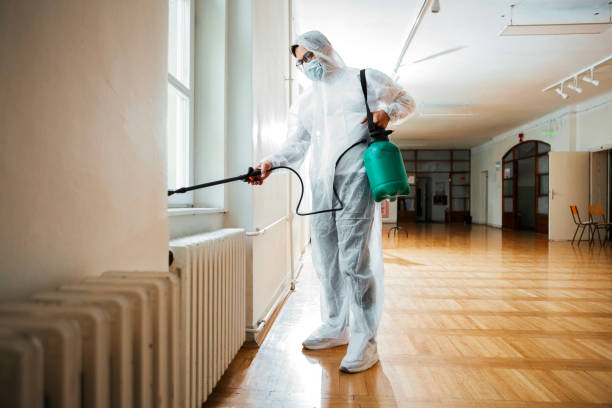
Maintaining a clean and hygienic home environment goes beyond regular cleaning routines. Pests such as rodents, insects, and other unwanted creatures can pose serious risks to the cleanliness and health of your living space. Pest control is an integral part of ensuring that your home remains a safe haven for you and your family.
The Role of Pest Control in Hygiene
- Preventing Contamination: Pests, including cockroaches, flies, and rodents, are known carriers of bacteria, viruses, and pathogens that can contaminate food supplies or water sources.
- Reducing Disease Risks: Many pests are associated with the spread of diseases such as salmonella, E. coli infections, Lyme disease (transmitted by ticks), or hantavirus (spread by rodents).
- Minimizing Allergens: Insects like cockroaches and dust mites produce allergens that can trigger respiratory issues such as asthma or allergies.
- Eliminating Waste Accumulation: Rodents often hoard food scraps in hidden corners, leading to the buildup of rotting organic matter which attracts more pests.
Common Areas Vulnerable to Infestations
| Area | Reasons for Vulnerability | Examples of Pests |
| Kitchen | Food crumbs, moisture from sinks/dishwashers | Cockroaches, ants |
| Bathrooms | Dampness creates an ideal breeding ground | Silverfish, spiders |
| Basements | Dark spaces with limited airflow; potential access points | Mice, rats |
| Attics | Warmth during colder months; nesting materials like insulation | Bats, squirrels |
Why Regular Pest Control Matters
Ignoring pest problems can lead to long-term damage not only to your property but also to your quality of life. Regular pest control addresses infestations before they escalate into larger issues.
- Protects Property Investments: Termites and carpenter ants can cause structural damage by eating through wood beams or walls.
- Improves Air Quality: By removing pests that leave droppings or shed skin particles around the house.
- Promotes Peace of Mind: Living without fear of discovering pests ensures mental well-being.
DIY vs Professional Services
While certain measures—such as sealing cracks or keeping food tightly sealed—can help prevent infestations from occurring in the first place, professional pest control services offer targeted treatments tailored to different types of pests. They also use advanced techniques that reduce risks associated with misuse of chemicals often contained in over-the-counter solutions.
By prioritizing pest control as part of routine home maintenance efforts, homeowners can create a healthier environment while safeguarding their properties against potential damages caused by infestations.
Reliable Deltona Pest Control Solutions for Common Residential Pest Problems
Pests can cause significant discomfort, damage, and health risks when they invade residential spaces. Implementing effective solutions is critical to maintaining a safe and pest-free environment. Below are some proven strategies and methods for tackling common pest problems in homes.
Effective Preventative Measures from a Deltona FL Pest Control Company
- Seal Entry Points:
Inspect doors, windows, vents, and cracks in walls. Use caulk or weather stripping to seal gaps where pests may enter. - Keep countertops free of food crumbs and spills.
- Store food in airtight containers.
- Regularly empty trash bins and use secure lids.
- Eliminate Standing Water:
Repair leaking pipes or faucets, as standing water attracts pests such as mosquitoes and cockroaches. - Declutter Regularly:
Remove unnecessary clutter like cardboard boxes or newspapers that provide shelter for pests.
Effective Pest Removal Deltona, FL: Solutions for Your Home
| Pest | Effective Solutions |
| Ants | – Use bait traps near ant trails. |
| – Wipe surfaces with vinegar-water solution to disrupt their scent trails. | |
| Cockroaches | – Apply gel baits in crevices where activity is observed. |
| – Keep drains clean by flushing them with boiling water regularly. | |
| Rodents | – Place snap traps or bait stations along walls and near food sources. |
| – Block access points using steel wool or wire mesh. | |
| Termites | – Treat wooden structures with borate-based wood preservatives. |
| – Schedule regular inspections by pest control professionals for early detection. |
DIY vs Professional Interventions
- When DIY Works: Small-scale infestations of ants, spiders, or flies can often be controlled using natural repellents like peppermint oil sprays or commercially available traps.
- When Professionals Are Necessary: For larger infestations involving termites, bed bugs, or rodents that persist despite your efforts, hiring professional exterminators is highly recommended.
Importance of Routine Monitoring
- Conduct weekly checks around entry points and vulnerable areas such as basements and attics.
- Install pest monitors (e.g., glue boards) in hidden spaces.
- Keep outdoor areas tidy by trimming vegetation away from the house’s foundation.
By staying proactive with these preventative measures and solutions tailored to specific pests, homeowners can effectively manage infestations while safeguarding their living spaces from future issues.
Effective Solutions to Common Pest Problems in Residential Areas
Pests can pose significant challenges in maintaining a clean and healthy living environment. Addressing these issues effectively requires a combination of preventative measures, targeted treatments, and ongoing maintenance. Below are some practical solutions to common pest problems faced by homeowners.
1. Preventative Measures
Preventing pest infestations is the first line of defense for any home. By eliminating the conditions that attract pests, many issues can be avoided altogether.
- Store garbage in sealed bins with tight-fitting lids.
- Dispose of food waste regularly to prevent attracting pests like ants, cockroaches, and flies.
- Use caulk or weatherstripping to seal cracks and gaps around doors, windows, and walls.
- Install mesh screens over vents and chimneys to block access for rodents and insects.
- Regularly vacuum carpets and mop floors to remove crumbs or spills that could attract pests.
- Keep countertops clean and avoid leaving food exposed overnight.
2. Natural Remedies for Minor Infestations
- Ants: Create barriers using substances they dislike such as cinnamon, coffee grounds, or vinegar near entry points.
- Cockroaches: Use boric acid combined with sugar as bait in hard-to-reach areas like under sinks or behind appliances.
- Spiders: Essential oils like peppermint or eucalyptus can deter spiders when sprayed in corners or crevices.
- Fruit Flies: Trap them using a simple mixture of apple cider vinegar and dish soap in a shallow bowl.
3. Targeted Chemical Treatments
| Pest Type | Recommended Solution | Application Method |
| Rodents | Bait stations with rodenticides | Place near baseboards or runways |
| Termites | Liquid termiticides or bait systems | Apply around building foundations |
| Bed Bugs | Insecticidal sprays specifically for bed bugs | Treat mattresses, furniture crevices |
| Mosquitoes | Larvicides for standing water; adult sprays | Focus on gardens and water sources |
Always follow manufacturer guidelines when applying any pesticide product to ensure safety.
4. Professional Extermination Services
- They conduct thorough inspections to identify all signs of infestation.
- Use advanced equipment like heat treatments or fumigation methods.
- Provide long-lasting solutions tailored specifically for your home’s unique needs.
5. Ongoing Maintenance Tips
- Conduct routine inspections around your home’s interior and exterior areas.
- Fix plumbing leaks promptly as moisture attracts many insects (e.g., cockroaches).
- Trim tree branches or bushes that touch your house since they provide a pathway for pests like ants.
- Store dry goods (like flour and rice) in airtight containers instead of original packaging.
By employing these solutions alongside regular upkeep practices at home—and seeking professional assistance when necessary—you can effectively eliminate existing pest problems while preventing future issues from arising within your residential space.

Understanding the Importance of Professional Pest Control Services
Pest control is a critical aspect of maintaining a safe, healthy, and comfortable living environment. While many homeowners may attempt to deal with pest issues on their own, enlisting professional pest control services offers significant advantages. Below, we explore why professional pest control services are essential and how they can benefit residential spaces.
Expertise and Knowledge
- Diagnose the root cause of infestations.
- Identify hidden areas where pests may be breeding or nesting.
- Tailor solutions specific to the type of pest and severity of the infestation.
For example, professionals from Deltona Pest Control will know which treatment is most effective for ants versus termites or rodents. Improper treatment methods used by untrained individuals can exacerbate the problem or fail entirely.
Access to Advanced Tools and Products
- Use of eco-friendly and regulated chemicals that are less harmful to humans and pets.
- Specialized equipment for difficult-to-reach areas like attics, basements, or wall voids.
- Application techniques that ensure long-term protection against recurring infestations.
Preventative Measures
- Installing physical barriers such as screens or door seals.
- Applying perimeter treatments around the home’s exterior.
- Identifying environmental factors (e.g., moisture buildup) that attract pests and offering mitigation strategies.
Safety Considerations
- Following strict guidelines on pesticide application.
- Using non-toxic alternatives when possible.
- Advising homeowners on post-treatment precautions such as cleaning protocols or temporary evacuation if necessary.
Cost Savings in the Long Run
| DIY Pest Control | Professional Pest Control |
| Frequent reapplications due to ineffective methods increase costs over time. | Comprehensive solutions eliminate infestations quickly and thoroughly on the first attempt. |
| Risks of property damage caused by undetected infestations (e.g., termites) can go unnoticed. | Experts detect early signs before significant damage occurs. |
| Improper use of pesticides could lead to health challenges requiring medical attention. | Professionals ensure safe application reducing health risks. |
Peace of Mind
Knowing that your home has been inspected thoroughly by professionals provides peace of mind for you and your family. With regular inspections included in many service plans, you can rest assured that potential issues will be identified early before they develop into major problems.
In summary, professional pest control services offer a blend of expertise, advanced tools, preventative measures, safety protocols, cost efficiency, and peace of mind that DIY solutions cannot match effectively in most cases.
How to Protect Your Home from Unwanted Pests and Insects
Protecting your home from pests and insects requires a proactive and consistent approach. While some pest problems may seem minor initially, they can quickly escalate if left unaddressed. By employing preventative measures, adopting good practices, and utilizing effective tools, you can minimize the risk of infestations and maintain a pest-free living environment.
1. Seal Entry Points
Pests often enter homes through tiny cracks, gaps, or openings in walls, doors, windows, and foundations. To prevent this:
– Inspect perimeters for cracks or holes.
– Use caulk or weatherstripping to seal gaps around windows and doors.
– Install door sweeps to block entry under doors.
– Repair damaged screens on windows and vents.
Even the smallest opening can become an entry point for pests like ants, spiders, or rodents. Ensuring your home is properly sealed acts as the first line of defense.
2. Maintain Cleanliness
Kitchen:
– Store food in airtight containers.
– Regularly empty trash bins with tight-fitting lids.
– Wipe down counters and sweep floors daily to remove crumbs and spills.
Bathrooms:
– Fix leaky faucets that could attract pests searching for water. – Ensure drains are clear of debris that might harbor insects like cockroaches.
Living Areas:
– Vacuum carpets regularly to remove dust mites or other tiny invaders. – Keep clutter minimal since it provides hiding places for pests.
3. Secure Exterior Areas
The outside environment plays a significant role in determining the likelihood of pest invasions:
| Task | Why It’s Important | Action Steps | |————————–|———————————————–|—————————————–| | Trim vegetation | Overgrown plants provide shelter for pests. | Keep shrubs at least 2 feet from walls.| | Clear standing water | Stagnant water attracts mosquitos & flies. | Fix drainage issues; check birdbaths regularly.| | Store firewood properly | Wood piles house termites & rodents near homes.| Stack wood 20+ feet away from buildings.|
Regular monitoring of your yard ensures fewer chances for outdoor pests to migrate indoors.
4. Use Natural Deterrents
Before resorting to chemical treatments, consider natural remedies that repel common pests:
– Peppermint oil: Deters ants, spiders, and mice when sprayed near entry points. – Diatomaceous earth: A natural powder effective against cockroaches and fleas. – Vinegar spray: Keeps ants at bay when applied around baseboards or window frames.
These options are safe for households with children or pets while being environmentally friendly.
5. Schedule Regular Inspections
Even with vigilant effort, some infestations may still occur unnoticed until they become severe problems: 1. Work with licensed pest control professionals who can identify early warning signs. 2. Perform seasonal inspections during high-risk periods (e.g., spring/summer months).
Professionals also provide advice on specific vulnerabilities based on your home’s location or construction type.
Adopting these practices creates a strong defense against unwanted intruders while fostering a cleaner living environment for you and your family.
The Impact of Pests on Health and Ways to Prevent Infestations
Pests are more than just a nuisance; they can have a significant impact on human health and well-being. From causing allergic reactions to spreading serious diseases, the presence of pests in residential spaces poses both immediate and long-term health risks. Understanding these risks and adopting preventive measures is key to maintaining a safe and healthy living environment.
Health Risks Associated with Pests
- Disease Transmission
– Rodents (e.g., rats, mice): Spread diseases such as leptospirosis, hantavirus, and salmonella through their droppings, urine, or bites.
– Mosquitoes: Act as vectors for diseases like malaria, dengue fever, Zika virus, and West Nile virus.
– Cockroaches: Carry bacteria such as E. coli and Salmonella on their bodies that contaminate food surfaces. - Allergies and Asthma
– Dust mites: Their fecal matter triggers allergies and respiratory symptoms in sensitive individuals.
– Cockroach droppings: Known allergens that may worsen asthma or cause new allergic reactions in children and adults alike. - Skin Irritations and Infections
– Bed bugs: Their bites cause itchy welts that may lead to infections if scratched excessively.
– Ticks: Responsible for transmitting Lyme disease through their bites.
Preventive Strategies to Minimize Pest Infestations
- Maintain Cleanliness – Sweep floors daily and wipe down kitchen surfaces after food preparation. – Store food in sealed containers to avoid attracting pests like ants or cockroaches. – Dispose of garbage regularly using tightly sealed bins.
- Eliminate Entry Points – Seal cracks or gaps in walls, doors, windowsills, or foundations. – Install weather stripping on door frames. – Use mesh screens on windows to block insects while maintaining ventilation.
- Address Moisture Issues – Fix plumbing leaks promptly. – Ensure proper ventilation in areas prone to dampness (e.g., basements). – Use dehumidifiers where necessary.
A Quick Pest Prevention Checklist
| Task | Frequency | Purpose |
| Regular cleaning | Daily/Weekly | Removes food particles that attract pests |
| Sealing gaps | Annually/As needed | Blocks entry points |
| Checking for leaks | Monthly | Reduces water sources essential for pests |
| Inspecting storage areas | Quarterly | Detects early signs of infestation |
When Professional Intervention Is Necessary
Despite best efforts at prevention, certain infestations require expert attention due to their scale or complexity (e.g., termite damage). Professional pest control services utilize advanced techniques like chemical treatments or heat remediation that are unavailable through DIY methods.
By understanding how pests affect human health combined with proactive prevention strategies, homeowners can create safer environments while reducing reliance on reactive solutions like pesticides or extermination services later on.
- The Importance of Hiring an Exterminator Deltona FL for a Clean and Pest-Free Home
- Top Reasons to Hire a Deltona FL Pest Control Company for Your Home and Health
- Effective Deltona Pest Control to Prevent Structural Problems in Homes and Businesses
- How to Spot and Identify the Most Common Pests with a Deltona FL Pest Control Company
- Effective Pest Control Strategies for Aging Homes with an Exterminator Deltona FL
- How Deltona Pest Control Can Protect Your Home and Family
- Effective Deltona Pest Control Techniques to Prevent Rodent Infestations
- How an Exterminator Deltona FL Can Help Protect Your Health and Home